What this searcher needs
The practical search query this article answers is mobile hairdresser booking form. Query variants checked included booking form for mobile hairdresser UK, mobile hairdresser booking page, mobile salon booking form travel time, and mobile hairdresser online booking address details.
The problem is not the form itself. The problem is a customer asking for a home appointment without giving enough detail for the hairdresser to decide whether the slot, service, address, travel, preparation, policy, and reminder flow are realistic.
That matters commercially for Offlico because a mobile hairdresser searching this phrase is already trying to turn messages into a repeatable booking workflow. The same workflow touches online booking, smart scheduling, automatic reminders, client records, payments, invoices, and cleaner bookkeeping.
Start with the decisions
A strong booking form starts by asking what the business needs to decide. For a fixed salon, the answer may be mostly service, stylist, date, and time. For mobile hairdressing, the form also needs location, access, travel pressure, preparation, and whether the service should be instant booking or request first.
General form examples show the usual appointment basics: customer details, desired service, preferred date, and preferred time. That is a useful starting point, but it is not enough for a mobile appointment where the working day depends on geography.
Public request flows make the same point in a different way. A short form that starts the conversation can work, but the operator still needs enough detail to decide whether the job is worth accepting and how to price or schedule it.
| Decision | Field that helps | Why it matters |
|---|---|---|
| Can I do this service | Cut, colour, blow dry, styling, treatment, or consultation type | Different services need different duration, kit, and preparation |
| Can I travel there | Full address, postcode, parking, floor, access, and local notes | An open slot may be unusable if the location breaks the route |
| Can I confirm instantly | Service complexity, photos, previous colour, and patch test context where relevant | Complex work may need review before the appointment is promised |
| Is the slot protected | Deposit, booking fee, cancellation rule, and policy agreement | Popular slots are harder to refill after late changes |
| Will the client remember | Reminder channel and contact preference | A booking is weaker if the confirmation and reminder route is unclear |
The public mobile hairdresser request pattern also shows why the first form should be practical rather than decorative: it must quickly turn a vague need into something a professional can price, accept, or reject.
Keep the form clear
The booking form should feel quick, but not vague. The aim is fewer follow up messages, not more fields for the sake of looking organised.
A useful rule from public service design is to structure forms around a sensible sequence. Grouping questions in a clear order helps people understand why they are being asked for each answer.
Accessibility guidance says forms need labels and instructions that make the task obvious. Clear form labels and instructions are especially important when you ask for address, access, parking, photos, or health related notes.
The practical version is simple. Ask for the service first, then the place, then the appointment preference, then anything that affects confirmation. Accessible form guidance supports this because labels and helper text reduce guessing.
Do not hide required questions. Required fields should be easy to spot, especially when a missed answer means the hairdresser must chase the client before confirming the visit.
A clean order for the first form
- Service type and whether the client has booked before
- Preferred day, time, or time window
- Full address, postcode, parking, and access notes
- Hair length, colour history, treatment notes, or photos where they affect duration
- Best contact method for confirmation and reminders
- Deposit, cancellation, and preparation agreement where needed
Ask for mobile visit details
Mobile hair appointments break when small details are missing. The address is not just contact information. It decides travel time, parking risk, kit movement, arrival planning, and whether another appointment can safely sit before or after it.
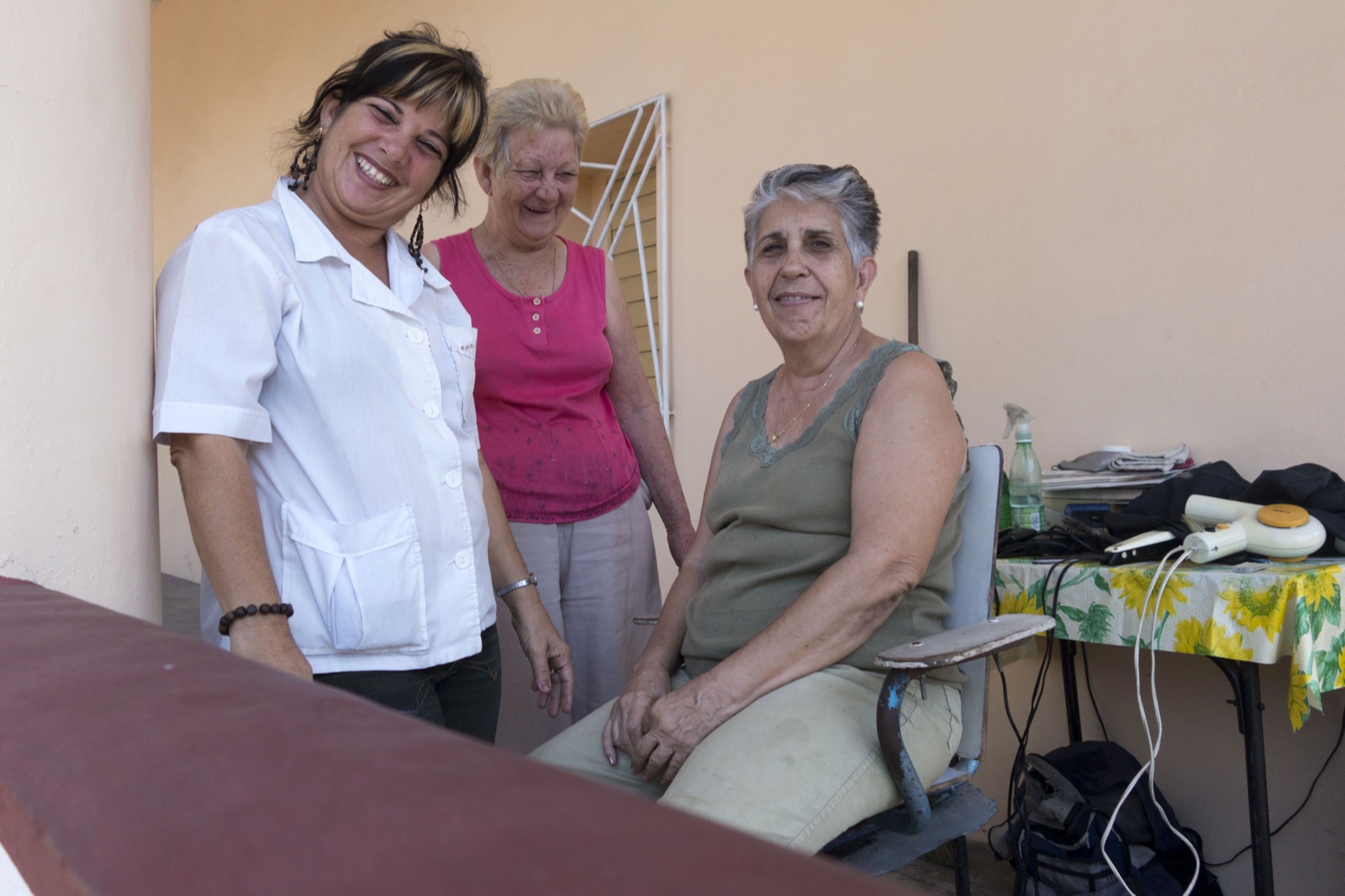
Real mobile hairdresser pages show how important the home setting is. One local operator describes working with older clients and clients who prefer appointments at home. That changes the booking form because access, comfort, timing, and contact details all matter.
Another operator policy page sets expectations around a defined service area and booking relationship. That reinforces why a booking form should make service area and appointment terms visible before confirmation.
| Detail | Ask it as | Use it for |
|---|---|---|
| Address | What is the full appointment address and postcode | Travel fit, service area check, and reminder accuracy |
| Parking | Is there parking nearby and are there restrictions | Arrival time, kit movement, and whether a buffer is needed |
| Access | Which floor, entrance, lift, or access details should I know | Practical setup and realistic timing |
| Service history | What was your last colour or treatment and when was it done | Duration, product choice, and whether the booking needs review |
| Preparation | Do you need to wash, dry, patch test, send a photo, or clear a space | Cleaner appointment instructions and fewer day of visit surprises |
Broader form research reaches the same conclusion from a conversion angle. Good form design reduces unnecessary effort, but a mobile hairdresser should not remove a question if that missing answer creates more admin after the request arrives.
Put policy before the slot is held
Deposits, booking fees, cancellations, and late changes are not just legal wording. They are part of the booking flow. If the client only sees the policy after the slot has been promised, the form has not done its job.
Hair and beauty trade guidance on deposits, booking fees, and late cancellations keeps returning to the same operating point: the client must understand what they are agreeing to before the appointment is protected.
Supplier guidance for hairdressers also advises putting cancellation terms where clients can see them. A practical booking form should therefore make the notice period, fee rule, and client acknowledgement clear before a popular slot is held.
Real salon policy pages show the level of clarity customers often need. Twenty four hour notice wording is common, and policy wording for one to one appointments shows why the lost time matters when the appointment cannot easily be refilled.
Keep the wording plain. Consumer guidance on cancelling a service that has been arranged and business guidance on setting fair expectations when supplying services are useful reminders that booking terms should be understandable before there is a disagreement.
Policy fields to include only when relevant
- Cancellation notice period
- Deposit or booking fee amount
- Whether the deposit is refundable and when
- Late arrival or access problem wording
- Patch test or consultation requirement where relevant
- Client checkbox confirming they have read the policy
Connect reminders and records
The form should not end at submission. The answers should feed the appointment record, client notes, confirmation message, reminder timing, payment status, and follow up task.
If the form asks for a preferred reminder channel, be careful with consent and message purpose. Privacy and electronic communications guidance is a useful starting point when operational messages begin to overlap with marketing messages.
Public service guidance on sending clear email and text messages also supports a simple rule: tell the client what has happened, what they need to do next, and how to change the appointment if the workflow allows it.
| Form answer | Where it should go next | What it prevents |
|---|---|---|
| Full address and access notes | Appointment details and reminder text | Last minute address checks |
| Service and treatment context | Duration, preparation notes, and client record | Underpriced or under timed appointments |
| Deposit or payment status | Booking record and invoice follow up | Manual bank checks |
| Preferred contact route | Confirmation and reminder settings | Missed operational messages |
| Client notes | Client profile for repeat appointments | Repeated questions every time they book |
Where Offlico fits
Offlico is useful when the form is supposed to become a working appointment, not a loose enquiry. For a mobile hairdresser, that means the booking can carry the service, address, route context, reminder plan, payment status, and client notes into the rest of the day.
Use Offlico when you want online booking to stay close to smart scheduling, automatic reminders, client records, payments, and bookkeeping instead of rebuilding the same appointment from messages.
Final takeaway
A mobile hairdresser booking form should not try to collect everything. It should collect the details that stop the appointment becoming fragile.
Start with the decisions behind the visit: what service is wanted, where it happens, whether travel works, what preparation matters, whether the policy is clear, how reminders will be sent, and where payment or invoice follow up will live. That is what turns a booking form into a useful mobile workflow.
What should a mobile hairdresser booking form ask
Ask for the service, client name, contact details, preferred day or time, full address, postcode, parking, access, relevant hair or treatment notes, policy agreement, and reminder preference.
Should mobile hairdressers use instant online booking
Instant booking works best for predictable services inside a clear service area. Use request first for colour work, complex styling, unfamiliar addresses, or appointments where travel and preparation need checking.
Why does address capture matter in mobile hair bookings
The address affects travel time, route order, parking, access, reminders, and whether nearby appointments can safely fit before or after the booking.
Can a booking form reduce missed appointments
Yes, if it captures the right contact route, policy agreement, preparation notes, and reminder details before confirmation. The form should feed the reminder workflow rather than sit separately.