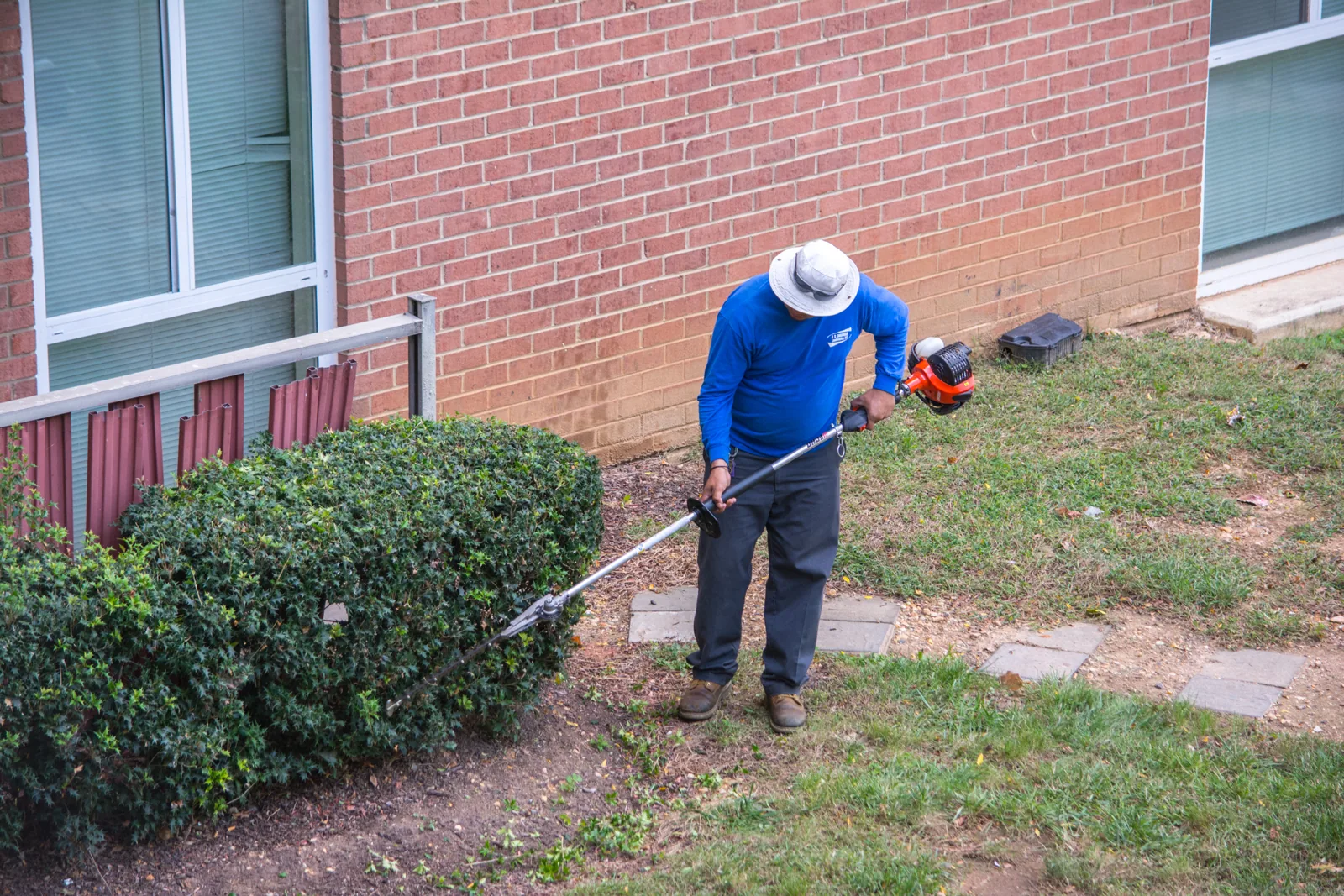
Photo licence: CC BY SA 2.0.
A hedge looks ready for a quick tidy, but the booking description does not tell a gardener whether birds are using it. The useful decision happens before the trimmer starts: inspect the actual hedge, decide whether the planned cut can go ahead, and tell the customer promptly if it cannot. A nest check is part of the visit, not an assumption made from the calendar.
This is a domestic garden visit guide, with England specific legal guidance where noted. It does not turn wildlife advice into a blanket seasonal ban, or suggest that a quick glance can certify every hedge as clear. The plan should leave room to pause when there is uncertainty.
Set the expectation before travelling
Ask what the customer wants: a light shape, a height reduction or removal of a large section. Request a clear photograph if the hedge is dense or access is awkward. Explain that the final scope depends on the on site check. That avoids promising a finished cut before you have seen the hedge from the working side and the adjoining side, where access is permitted.
A domestic hedge cutting operator describes checking for nests before work and moving major reductions towards autumn or winter. That is an operator’s scheduling practice, not a universal legal calendar. Price and time estimates should allow for the possibility that some or all of the cutting will be deferred. If the hedge is shared or access is limited, agree what can actually be inspected rather than guessing about the hidden side.
Separate the legal test from the seasonal advice
For England, government guidance tells householders to check for nests currently in use before cutting a hedge. Natural England’s wild bird guidance says intentionally damaging or destroying a wild bird’s nest while it is being used or built is unlawful. The legal question is about the nest and the proposed action, not whether the appointment falls inside a named month. Laws and guidance differ across UK nations, so check the relevant local guidance if you work outside England.
The RSPB recommends avoiding the main nesting period where possible, while noting that birds may nest outside it. The RHS also says to check thoroughly before trimming and delay if an active nest is found. Treat a winter booking as lower risk planning, not a waiver of the on site check. Equally, do not tell a customer every summer trim is automatically forbidden: the relevant nest and its status matter.
Inspect the working area before cutting
Start by looking at the whole intended cutting line from a safe position. Watch for repeated bird movement into one spot, then inspect the foliage carefully without pushing through it or disturbing a possible nest. The RSPB describes regular returns to a nesting site as a useful sign of activity. A single bird nearby is not proof of a nest, and not seeing a bird during a brief visit is not proof that no nest is present.
Work through the sections you plan to touch, including the top and less visible inner growth where you can inspect safely. The RHS calls for a thorough pre trim nest check. If the hedge is too dense or the access too poor to assess the planned cut confidently, do not start that cut on a guess. Record the limitation and discuss a later inspection or a reduced task whose area can be assessed.
Make the stop decision clear
If you find an active nest that the work could affect, stop work in that area. Do not move the nest to finish the job. The RHS advises delaying trimming until young birds have fledged; another domestic operator describes postponing work when an active nest would be disturbed. Do not promise a fixed return date on the assumption that activity will have ended. Recheck before resuming.
A different part of a long hedge might be possible, but only if the work can be carried out without affecting the active area and the changed scope is worthwhile to the customer. If that is uncertain, defer the whole cut. Keep the discussion practical: which section is paused, what can still be done today, and what fresh check is needed before a return. Do not turn the visit into an improvised wildlife survey beyond your competence.
Tell the customer exactly what changed
Give the customer a short, plain account before packing away. For example: “I found activity in the section by the gate, so I have not cut that section. I can finish the separate front section if you want, or return when the activity has ended and I have checked again.” This is a hypothetical script, not a reported customer conversation. Avoid claiming a particular species or a precise fledging date unless someone qualified has established it.
Note the sections inspected, what you observed, what you did not cut and the option the customer chose. A simple job note or follow up message helps the next visit avoid treating the earlier booking as permission to cut. It also makes an altered invoice or rescheduled slot easier to explain. Keep the record factual, not a claim that the garden was certified free of nests.
Plan the return around the hedge, not just the diary
For a future substantial cut, discuss both wildlife and plant condition. The Woodland Trust notes that hedge timing and cutting frequency affect flowers, berries and shelter, while the RHS distinguishes light trimming from more extensive renovation. Those are reasons to choose the right season and scope for the hedge, not to apply an agricultural hedgerow rule to a domestic garden.
When the customer is ready to rebook, revisit the intended cut and repeat the nest check on arrival. A previous clear visit does not establish the next one. For a mobile gardener, the dependable workflow is modest: set an expectation before travel, inspect before cutting, stop where needed, agree the changed job and leave a useful record. If rain, light or a changed working position limits inspection, explain the uncertainty and defer the affected section rather than inventing a clear result.