What this searcher needs
The practical search query this article answers is cleaning business expenses list. Autocomplete also showed cleaning service expenses list, starting a cleaning business checklist, and cleaning business supplies checklist.
The operator problem is that cleaning costs are easy to lose. Supplies are bought between jobs, mileage sits in the van, card fees appear later, and receipts end up in messages, bags, or photo rolls.
That matters commercially for Offlico because expense tracking is not separate from daily work. Cleaners need bookings, client notes, mileage, receipts, invoices, and payments to tell one clean story.

Start with the core expense categories
A useful expenses list should match how a cleaner actually spends money. The goal is not to create perfect accounting language on day one. The goal is to stop business costs blending into personal spending or disappearing without a receipt.
Common cleaning business expenses to track
- cleaning products and consumables
- cloths, gloves, bags, PPE, and small supplies
- vacuum parts, tools, and equipment
- laundry and uniform costs where they are business related
- mileage, parking, tolls, and public transport for jobs
- phone, software, booking tools, and payment fees
- insurance, training, licences, and memberships
- printing, stationery, advertising, and website costs
- subcontractor or staff costs if the business uses a team
Use HMRC self employed record guidance and HMRC self employed expense guidance as the official baseline. They do not replace an accountant, but they make the record keeping expectation clear.
Separate job costs from overheads
Some costs belong to a specific cleaning job. Others keep the business running generally. Separating the two helps the owner understand whether a client, route, or service is profitable.
| Cost type | Example | Why it matters |
|---|---|---|
| job specific cost | extra oven cleaner for one visit | shows margin on that booking |
| recurring supply | monthly products and cloths | helps restock and price services |
| travel cost | mileage to a client area | shows whether the route is worth it |
| overhead | insurance, software, website, phone | shows the cost of staying operational |
| payment cost | card or transfer fees | keeps paid work and fees visible |
Capture receipts before they disappear
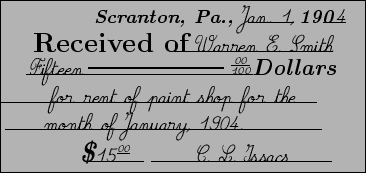
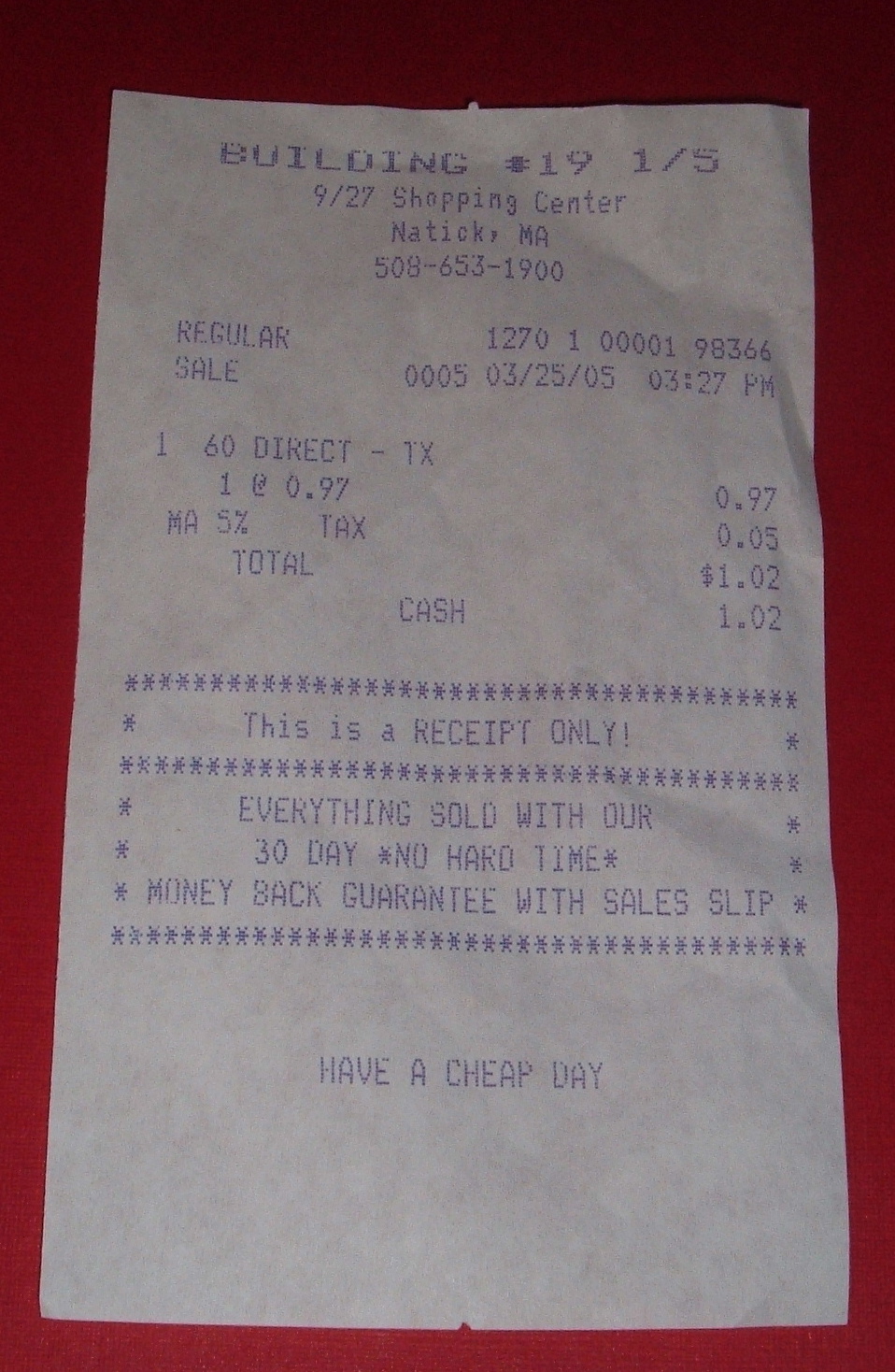
The best expense system is the one used immediately after the cost happens. A photo of the receipt, a short note, and the right category are usually enough to avoid detective work later.
The Business Debtline guide to business records is a useful reminder that records only help if they are complete enough to explain income, costs, tax, and business decisions.
Add these details to each receipt
- date
- supplier
- amount
- payment method
- expense category
- business purpose
- job or client if relevant
- photo or file evidence
- whether it has already been reviewed
Do not leave mileage until later
For cleaners, travel can be one of the easiest costs to underestimate. If the business drives between homes, offices, keys, suppliers, and team members, mileage needs a habit of its own.
HMRC guidance on simplified expenses explains the official simplified route for some vehicle and home working costs. The practical point is simple: log trips as part of the working day, not weeks later.
| Trip detail | Why to capture it |
|---|---|
| date and destination | ties the trip to real work |
| client or job | explains the business purpose |
| miles or route note | supports the travel record |
| parking or toll receipt | keeps related costs together |
| return or multi stop route | avoids undercounting a cleaning day |
Make a weekly review habit
A weekly review is the difference between a useful expenses list and a folder full of evidence. It gives the owner a small checkpoint before receipts, payments, and job context drift apart.
Where Offlico fits
Offlico fits when expense tracking is part of the same operating rhythm as bookings, invoices, mileage, and client records. A cleaning business should not have to rebuild bookkeeping from a bank feed, a receipt pile, and memory.
Final takeaway
A cleaning business expenses list is not just a tax season document. It is a weekly operating habit that protects margin and reduces admin.
Start with the costs that repeat most often: supplies, travel, equipment, software, payment fees, and insurance. Then make every receipt answer one question: what business work did this cost support?
What expenses should a cleaning business track?
Track cleaning supplies, equipment, PPE, mileage, parking, software, phone costs, card fees, insurance, training, advertising, uniforms, and any other business cost with a clear work purpose.
Do cleaners need to keep receipts in the UK?
Self employed cleaners should keep records that explain business income and costs. HMRC guidance sets out record keeping expectations, and an accountant can advise on individual cases.
How often should a cleaner update expenses?
Weekly is a practical minimum. It keeps receipts, mileage, invoices, and client context fresh enough to review without rebuilding the month from memory.