What this searcher needs
The practical search query this article answers is booking app for gardeners UK. Search variants checked included gardener booking form UK, gardening business scheduling software UK, garden maintenance booking app, lawn care booking form UK, and garden maintenance service booking online UK.
The operator problem is not simply getting customers to choose a time. A gardening booking can look accepted before the owner knows the garden size, service type, vehicle access, green waste, photos, quote risk, weather pressure, recurrence, or whether the route makes sense.
That matters commercially for Offlico because this is comparison stage intent. The reader is already trying to move from phone calls, WhatsApp threads, Facebook messages, and paper diaries into a system that can connect booking, route planning, reminders, payments, invoices, mileage, and client records.
Why garden bookings break
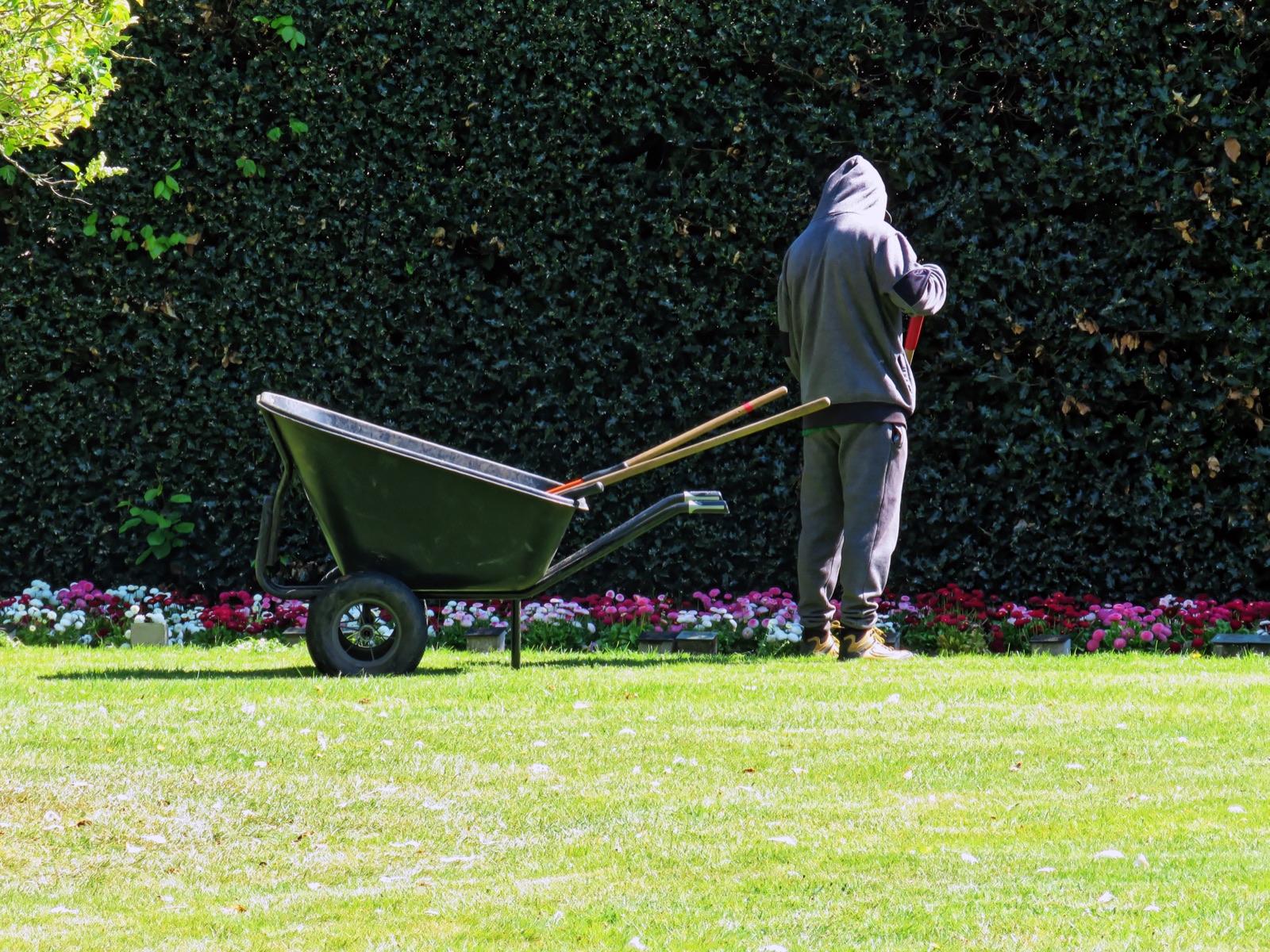
A gardening job is difficult to price from a blank calendar slot. One hour of mowing, a hedge cut, a neglected garden clearance, a first visit quote, and a regular maintenance round all need different time, equipment, waste, and travel decisions.
That is why the booking flow has to qualify the job before it is treated as confirmed. The RHS advice on being clear about work, budget, quotes, preliminary visits, references, and contractor checks is written for customers, but it also shows what operators need to know early. The scope has to be clear enough for the job to be accepted properly.
Real service pages show the same friction in practical form. A local charity gardening service may be limited to a specific catchment area, while a larger garden service can offer online booking, published rates, different job types, and weekend availability. Those differences change what the booking form needs to ask.
A booking app should help a gardener avoid the familiar chain: customer asks for a slot, owner asks for photos, customer sends partial details, the quote changes, access is unclear, and the job is moved after the day has already been planned.
| Booking pressure | What the app should clarify |
|---|---|
| First visit quote | Whether the customer needs an estimate, a paid visit, or a confirmed maintenance slot |
| Garden size | Small, medium, large, overgrown, or measured area where that affects time |
| Job type | Mowing, pruning, hedge trimming, clearance, planting, patio work, or mixed maintenance |
| Access | Parking, gates, side access, keys, pets, steps, and where tools or waste can move |
| Repeat work | Weekly, fortnightly, monthly, seasonal, or one off |
Form questions that earn their place
The best gardener booking form is not the longest form. It asks the questions that decide whether the job can be accepted, quoted, routed, and reminded about without another manual conversation.
Use form design as a filter. Clear question pages help people answer one decision at a time, while accessible form instructions help customers understand required details and expected formats. A customer should not feel as if they are doing admin for the business. They should feel the questions are helping the visit happen properly.
Operator forms in the research commonly asked for postcode, service address, service type, garden size, preferred frequency, and special preferences. That is a stronger pattern than a generic name, phone, date, and message box.

Fields worth collecting early
- Full address and postcode
- Service type and rough garden size
- Current condition such as tidy, overgrown, seasonal, or clearance
- Photos if the quote or time estimate depends on condition
- Parking, gate, side access, steps, pets, and key instructions
- Green waste expectations and whether removal is needed
- Preferred frequency for repeat maintenance
- Customer contact preference and reminder consent where appropriate
Form examples for appointments and service requests show why structure matters. Appointment forms usually collect contact details, preferred timing, and the reason for the request, but a garden maintenance form should go further only where the extra answer affects price, travel, access, preparation, or follow up.
Quote clarity before calendar availability
Instant booking sounds efficient, but it is not always right for gardening work. A simple repeat lawn visit can often go straight into the diary. A first visit to an overgrown garden, a hedge cut, a clearance, or a mixed landscaping enquiry may need review before the slot is safe.
Several gardening service terms in the research made the booking process, customer responsibilities, pricing, cancellations, and payment rules visible before work starts. That matters because a vague booking can become a disagreement about price, timing, access, or what was actually included.
Customer service examples also show why clarity helps both sides. Gardening services that publish online booking and service scope help customers understand what they are requesting, and booking forms that ask for postcode, service type, garden size, and visit frequency reduce guesswork before confirmation.
| If the job is | Let the app |
|---|---|
| A regular maintenance visit | Offer controlled availability for the right service area and frequency |
| A first garden clearance | Collect photos and route the request for manual quote approval |
| A hedge or pruning job | Ask height, length, access, and waste questions before price confirmation |
| Weather sensitive | Keep a clear reschedule path and customer update message ready |
| Outside the normal area | Block instant booking or flag travel before the customer expects a slot |
The booking app should make this distinction easy. It should not force every enquiry into either a fully open calendar or a slow manual inbox. The better model is request first for uncertain jobs, instant booking for known repeat work, and clear confirmation once the details are strong enough.
Route access and weather
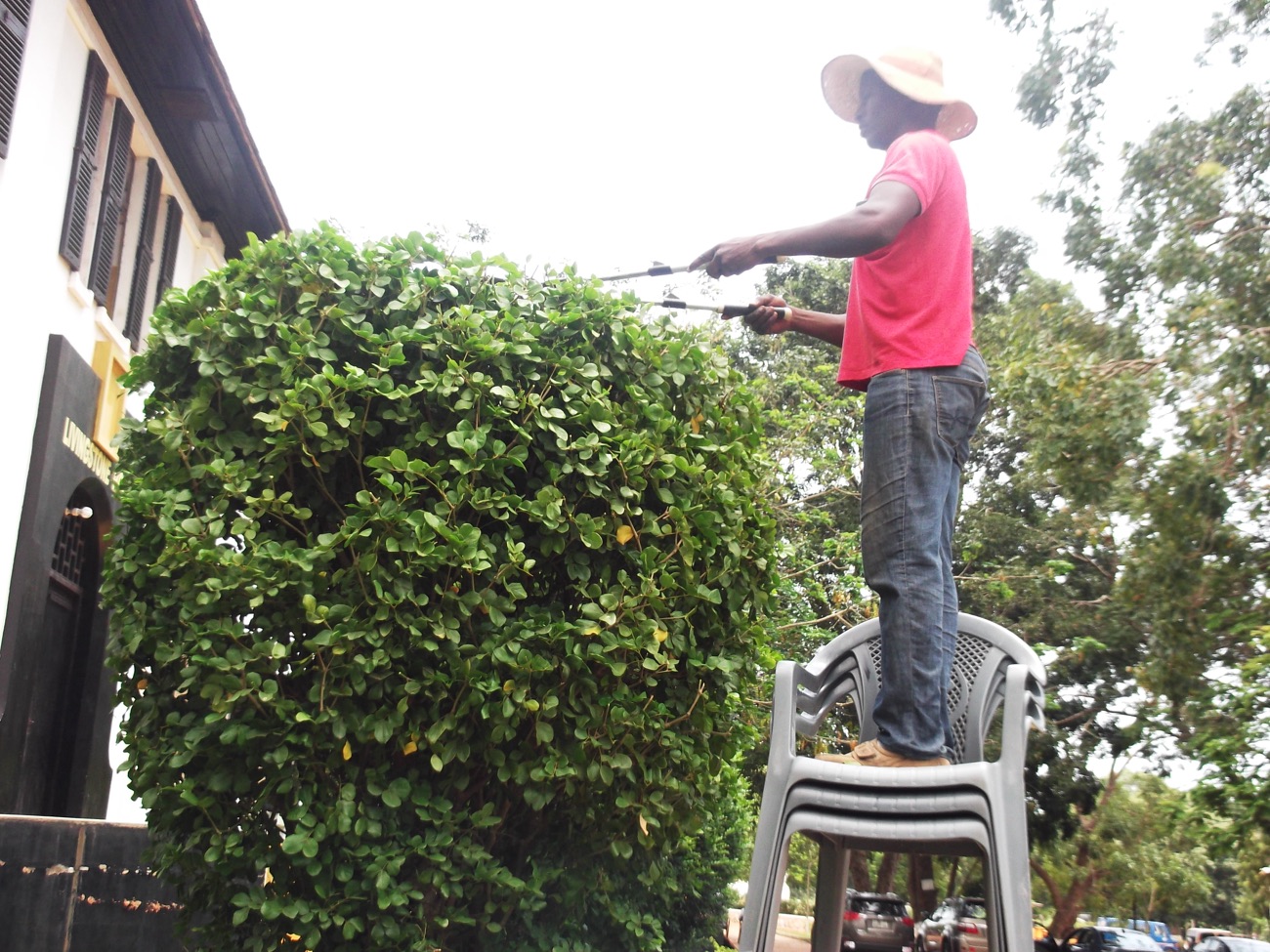
Gardeners do not only manage time. They manage distance, tools, vehicle position, access, weather, and job sequencing. A booking at 11:00 can still be a bad booking if it sends the van across town, leaves nowhere to park, needs extra waste handling, or follows a job that will overrun.
That is why access and parking questions belong inside the booking flow, not in a forgotten text thread. Workplace transport guidance treats parking and vehicle movement as planning issues, and the same common sense applies to mobile service work even when the job is small. The operator needs to know where the vehicle can safely stop and how the garden can be reached.
Service terms from gardening operators repeatedly cover booking process, access, customer responsibilities, cancellations, and missed appointments. Those are not legal decorations. They are a sign that the work breaks when details are hidden until arrival.
Access details to ask before arrival
- Where to park and whether there are time restrictions
- Whether side access is unlocked or a key code is needed
- Whether pets need to be secured
- Whether the customer will be home
- Where green waste should go
- Whether water, outdoor power, or special equipment is needed
- Whether bad weather changes what can be done that day
A useful booking app stores this beside the appointment. That way the reminder can say more than the date and time. It can remind the customer to unlock the gate, clear access, secure pets, share updated photos, or expect a weather check before the visit.
Recurring work and client records
Most gardening businesses are not built only on one off jobs. They rely on repeat maintenance, seasonal work, regular lawns, hedge cycles, and customers who come back when the garden changes. That makes the client record as important as the first booking page.
A good app should show the last service, normal frequency, access notes, garden condition, usual price, invoice status, and whether the next visit has been planned. Without that, the business owner ends up rebuilding context from messages and memory.
Privacy and record keeping still matter. Service messages should be separated from marketing messages, and self employed people need records that explain business income and expenses. A booking app should make both habits easier, not add another place to check.
A practical repeat visit flow
Capture the first request
Collect garden size, service type, address, photos, access, and frequency.
Confirm the right route
Accept the job only when area, duration, and travel pressure make sense.
Send useful reminders
Include gate, pets, parking, weather, and preparation notes where they matter.
Complete the visit
Record service notes, photos, payment status, waste handling, and next work.
Plan the next visit
Set the repeat interval while the garden context is still fresh.
This is where service terms and support flows become practical. Published gardening terms often set out booking, payment, cancellation, and access responsibilities, while other operator terms remind customers to check confirmation details before the visit. The software should make those expectations easy to repeat without rewriting them every time.
What to compare before choosing
Do not compare gardener booking apps only by price or whether they show an online calendar. Compare what happens to a real enquiry from the moment it arrives to the point the job is completed, paid, recorded, and ready for the next visit.
Some form tools can collect information, some calendars can show availability, and some field service systems can manage teams. A small gardening business needs the combination that removes the most repeated admin without making the customer journey heavy.
The simplest test is to put five awkward jobs through the system: a first quote, an overgrown clearance, a regular lawn, a hedge job with height and waste questions, and a rainy day reschedule. If the app cannot handle those without messages spreading everywhere, it is not solving the main problem.
Shortlist criteria
- Can customers request or book online without creating vague jobs
- Can uncertain jobs be reviewed before confirmation
- Can the form capture garden size, condition, photos, access, waste, and frequency
- Can diary rules protect service areas, travel time, and buffers
- Can reminders include useful access and weather notes
- Can completed visits link to payment status, invoices, mileage, and records
- Can repeat maintenance be booked without rebuilding the diary each month
- Can the customer understand what is confirmed and what is still being checked
For more complex forms, custom booking fields can collect tailored information before an appointment, but the goal is not to ask everything. The goal is to ask the details that protect the booking.
If the job can be cancelled, postponed, or changed after the customer books, keep the rules easy to find. Consumer guidance on cancelling arranged services is useful background for making booking expectations clear, especially when deposits, short notice changes, or site access affect the operator's day.
Where Offlico fits
Offlico fits this problem when online booking is treated as part of the whole mobile gardening workflow, not as a calendar link sitting on its own.
The booking page collects the useful details, the schedule protects areas and buffers, reminders carry access and preparation notes, and the completed appointment can stay close to invoices, payments, mileage, receipts, and client history.
That is the practical difference for a gardener. A new request should not become a message thread, a guessed quote, a poor route, a missed gate note, and a payment chase. It should become a qualified appointment with the right context attached.
Final takeaway
A booking app for gardeners should do more than let customers choose a free slot. It should help the owner understand the job, accept the right work, protect the route, remind the customer properly, and keep the record clean after the visit.
Start with the operator problem. If a booking does not capture enough detail to quote, prepare, travel, access, complete, and follow up, it is still creating admin. The right app reduces that admin before the job reaches the diary.
What should a gardener booking app collect first?
It should collect service type, address, postcode, garden size, condition, photos where useful, access notes, green waste needs, preferred frequency, contact details, and whether the job needs a quote before confirmation.
Should gardeners allow instant online booking?
Instant booking can work for simple repeat services in known areas. First visits, large clearances, uncertain access, weather sensitive work, and quote led jobs are often better handled as booking requests first.
Why does route fit matter for gardeners?
Gardening profit depends on travel, setup time, tools, waste handling, and job length. A free slot can still be costly if it creates a poor route or accepts a job without enough information.