Why receipts go missing in mobile work
The practical search query for this article is receipt tracker for self employed UK. The problem behind it is simple: receipts are easy to lose when the work happens in homes, vehicles, clinics, salons, and local sites instead of at one desk.
A mobile worker might buy supplies between visits, pay for parking, replace a tool, collect a part, or refund a client before the next appointment starts. If the record is just a photo, a card payment, or a paper slip in the door pocket, the business purpose can disappear before the week ends.
This matters commercially for Offlico because receipt tracking is rarely isolated. It sits next to bookings, mileage, invoices, client notes, and payment follow up. When those records split across apps and memory, bookkeeping becomes harder than the actual job.
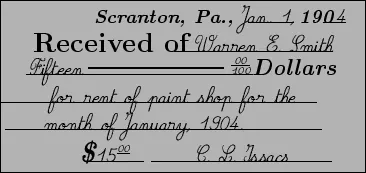
What every receipt record needs
GOV.UK says self employed people must keep records of business income and expenses for Self Assessment. GOV.UK also explains that expenses must be allowable business costs. A receipt tracker should therefore capture more than a photograph. It should explain why the cost belongs to the business.
Minimum receipt tracker fields
- date of purchase
- supplier name
- amount including VAT where relevant
- expense category
- business purpose
- client, booking, job, or route context
- payment method
- photo or file of the receipt
- note for mixed personal and business costs
Connect costs to jobs
The mistake is treating receipts as separate from the working day. For mobile service operators, the useful question is not only what did I buy. It is which visit, route, client, or service did this support.
That link helps when you review profit. A parking receipt tied to a low value job, a product receipt tied to a repeat client, or a supply cost tied to a specific treatment says more than a folder of unlabelled photos.
| Receipt alone | Receipt with job context |
|---|---|
| £12.40 supplier receipt | £12.40 supplies for client visit on 14 May |
| Parking photo | Parking for home visit in paid zone |
| Fuel card line | Business route day with mileage note |
| Tool replacement | Replacement part needed for completed job |
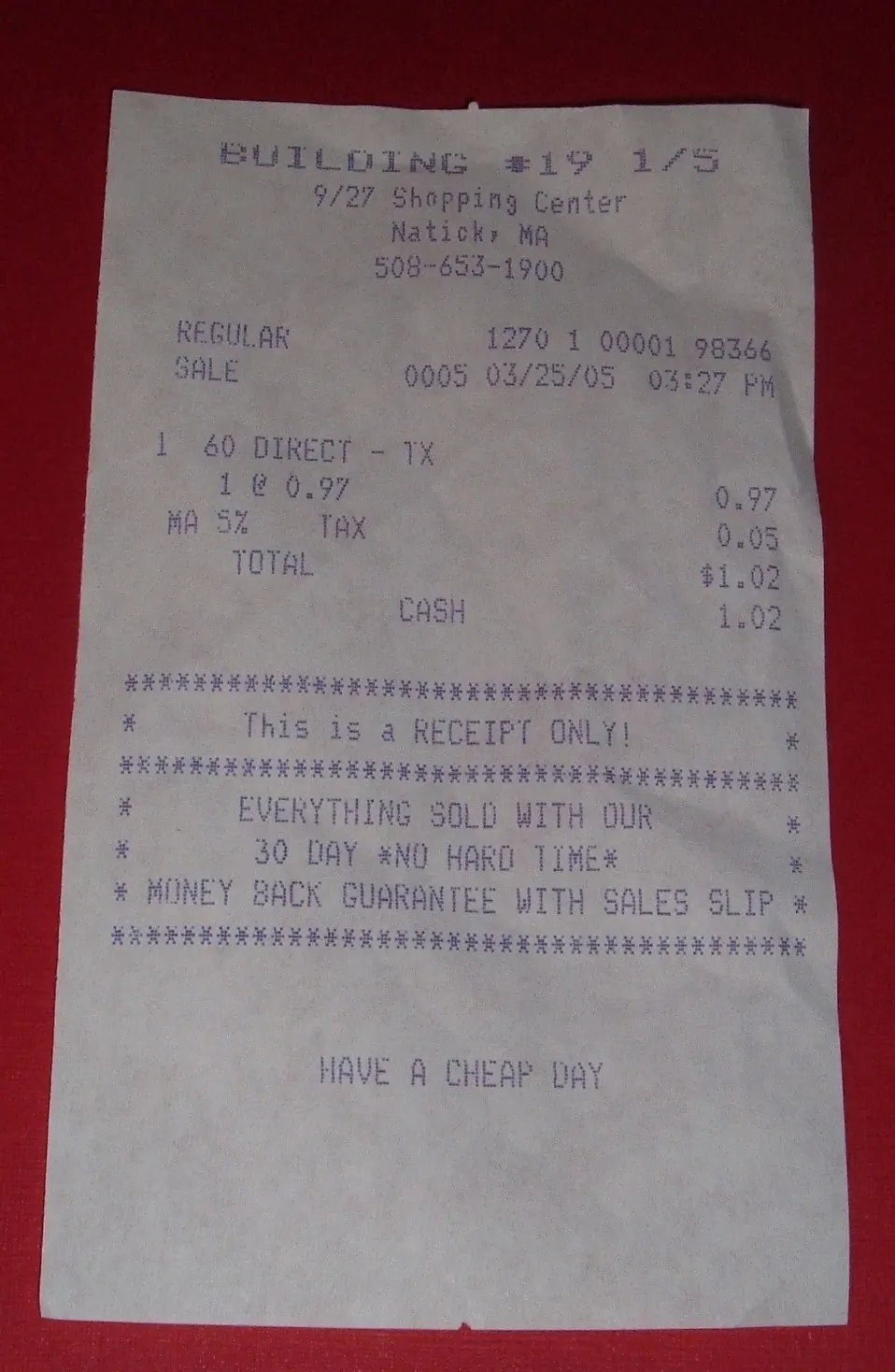
Choose categories before month end
A receipt tracker should make review faster, not create a second bookkeeping project. Use a small set of categories that match how you actually spend money.
For many mobile service businesses, the recurring categories are supplies, parking, travel, tools, software, phone, card fees, advertising, insurance, training, and subcontractor or helper costs. The category is only useful if the business purpose is also clear.
| Category | Useful note to add |
|---|---|
| Supplies | Which service or client used them |
| Parking | Which appointment or route caused it |
| Tools | Repair, replacement, or new capability |
| Software | Booking, payment, bookkeeping, or client admin purpose |
| Advertising | Campaign, channel, or promoted service |
Build a weekly receipt routine
The best receipt tracker is the one you can keep using on a busy Friday. Do not wait until month end to decide what a faded receipt means.
A weekly routine catches missing photos, unclear purposes, mixed costs, unbilled work, and expenses that should change pricing. It also makes accountant handover cleaner if you use one.
A routine you can keep
Capture the receipt the same day
Photograph or upload it before the paper copy moves.
Add purpose and client context
Write enough to explain why the cost supported the business.
Match it to payment or invoice status
Check whether the job is paid, invoiced, unpaid, or waiting for follow up.
Review exceptions weekly
Look for missing receipts, vague categories, and costs that are rising faster than revenue.
Where Offlico fits
Offlico is not tax advice and it should not replace bookkeeping software or an accountant. Its role is to reduce the daily gap that makes receipt records weak in the first place.
When bookings, client notes, mileage, payment follow up, and admin context live closer together, a receipt can be connected to the job that caused it. That turns bookkeeping from a month end investigation into a small operating habit.
Keep these records close together
- booking and client
- visit address and route context
- receipt photo and business purpose
- payment or invoice status
- mileage or travel note
- follow up action
Final takeaway
A useful receipt tracker does three jobs. It protects your expense evidence, helps you understand job margin, and stops mobile work turning into bookkeeping guesswork.
Start by capturing the receipt. Then add the reason, category, client, and job before the week moves on. That small habit is what makes the record useful later.