Start by separating petty cash from cash takings
Petty cash records for a sole trader should answer a very small set of questions: how much cash was put aside, who used it, what was bought, where the evidence is and how much remains. The system can be a paper book, spreadsheet or bookkeeping tool. What matters is that the cash, the written entries and the supporting evidence tell the same story.
Petty cash is a spending float for minor business costs. Customer cash takings are sales income. Keep them in different records and, ideally, different physical places. Paying for parking from today’s customer cash may feel harmless, but it leaves two records unclear at once: the sales total and the float balance.
HMRC says sole traders must keep records of business income and expenses for Self Assessment. A petty cash book is one practical part of that wider evidence trail; it is not a special HMRC form and it does not decide whether an expense is allowable. This guide covers the operating record, not personal tax advice.

Decide whether a cash float solves a real problem
A float earns its place only when the business has genuine, occasional cash costs. A mobile worker might need coins for an old parking machine, a small consumable from a local shop or an urgent key cut. If every supplier accepts a business card and cash is rarely needed, adding a cash box creates another balance to protect and reconcile.
That proportionate approach appears in several operator documents. Small Charity Support’s financial management policy says petty cash should be avoided unless operationally necessary. Aston Mansfield’s small organisation toolkit similarly frames a petty cash system as useful when there are many small cash transactions. Those are not rules for sole traders, but the operating question transfers well: will the float remove friction often enough to justify another control?
- Use a float when: small, legitimate cash purchases happen often enough to plan for.
- Skip it when: card or bank payments already cover the same purchases cleanly.
- Never use it as: a place to park unrecorded customer takings, personal cash or unexplained differences.
Set up a fixed float with clear ownership
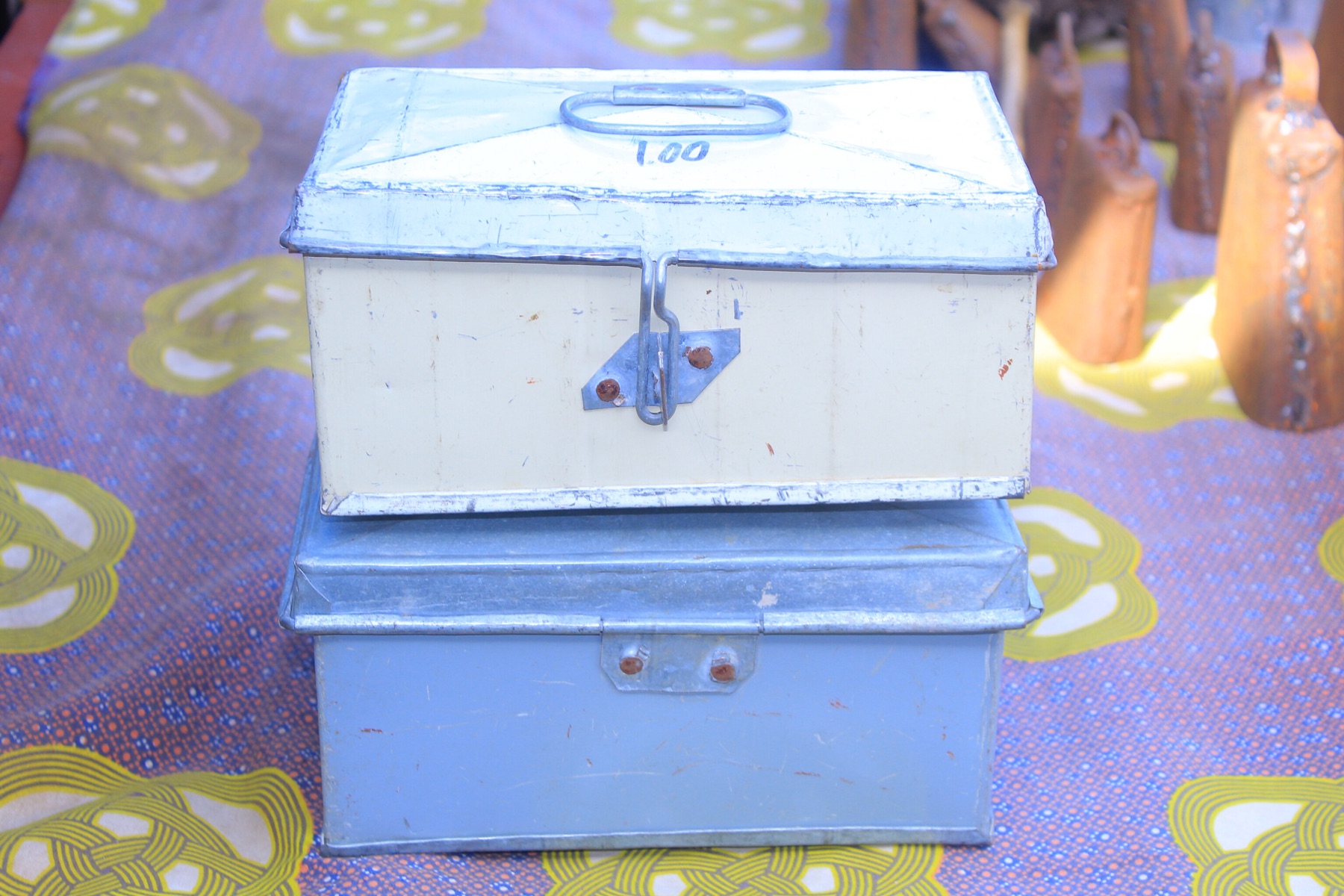
Choose a modest opening amount based on the costs the business actually encounters. The number is not the control. The control is knowing the agreed amount, limiting access and recording every movement. Put the float in a lockable box or secure pouch, name the person responsible and decide where the key is kept.
A fixed float or imprest approach makes the arithmetic visible. If the opening float is £60 and there are £17.40 of properly recorded purchases, the expected cash is £42.60. When the float is replenished by £17.40, it returns to £60. The top up replaces recorded spending; it is not new income.
Choose the opening float
Base it on expected small cash costs, then write the amount at the top of the record.
Name the holder
One person controls access and makes sure entries and evidence return to the same place.
Set an internal purchase limit
Larger costs should use the normal business payment and approval route.
Secure the cash
Keep the box or pouch out of public view, with controlled key access.
Choose the check rhythm
Check weekly when the float is busy and always before a top up or period end close.
Build a petty cash log that explains every movement
The log should be detailed enough to reconstruct the movement without turning each £3 purchase into a form filling exercise. Community Accounting Plus describes the practical problem well: receipts can be hard to gather while cash in the tin and the month end balance still need tracking. Its template separates money in, expenditure, opening balance and closing balance.
Engage Renfrewshire’s control template calls for a petty cash book where cash payments are made and for prompt recording backed by documentation. A sole trader can translate that into one row per movement and a document reference that points to the receipt or note.
| Field | What to enter | Why it matters |
|---|---|---|
| Date | When cash moved | Puts the purchase in the right review period. |
| Reference | PC 001, PC 002 and so on | Connects the row to the receipt or voucher. |
| Description | What was bought and the business purpose | Makes an unfamiliar entry explainable later. |
| Paid to or received from | Shop, supplier or person reimbursed | Shows the counterparty. |
| Category | Parking, postage, consumables or another consistent label | Helps totals flow into wider bookkeeping. |
| Cash out | Amount spent or reimbursed | Reduces the balance. |
| Cash in | Opening cash or an authorised top up | Increases the balance. |
| Running balance | Previous balance plus cash in minus cash out | Shows what should be in the box after each row. |
| Evidence | Receipt filename, photo or signed missing receipt note | Shows where support can be found. |
Do not create a “miscellaneous” category for everything. Accounts Ninjas’ sole trader record guide and Lovewell Blake’s record keeping overview both emphasise retaining records that explain business income and expenditure. The category helps with review, but the description and evidence do the explanatory work.
Record purchases and reimbursements in the right order
Small costs become difficult mainly when the entry is postponed. The cleanest routine is to make the record at the moment cash leaves the box, then attach the evidence as soon as the purchase is complete.
If someone takes cash before buying, use a numbered voucher showing the amount, name, date and purpose. When they return, replace the voucher with the receipt, enter the actual amount and put any change back. If the owner pays personally and later takes cash reimbursement, enter the reimbursement once and link it to the original receipt. Do not record both the shop purchase and the reimbursement as two expenses.
Independent record keeping guidance from Thyme Accountants, Monahans and Teresa Smith Bookkeeping all reinforces the same foundation: keep evidence for income and expenses in an organised, retrievable record system.
Before cash leaves
Write the date, amount, person and intended purpose on the log or a numbered voucher.
At purchase
Ask for a receipt and check that the amount matches the cash used.
On return
Put back change, replace any temporary voucher with the final evidence and update the actual amount.
After entry
Calculate the new running balance and store the receipt under the same reference.
Reconcile cash, evidence and the running balance
Reconciliation is a comparison, not a glance at the box. Count the physical cash. Total outstanding temporary vouchers. Compare both with the written running balance. Then check that completed entries have their receipts or other evidence.
SmallBusiness.com’s petty cash reconciliation guide describes the same basic control: count the fund, compare it with the accounting record and investigate a difference. Hunts Forum’s financial control template also pairs a petty cash book with periodic reconciliation and spot checks. Again, its governance requirements are not being applied to a sole trader; the transferable habit is to compare the independent pieces of evidence rather than trusting one total.
- Count notes and coins by denomination.
- Add any cash temporarily out against signed vouchers.
- Compare the total with the latest running balance.
- Confirm that each completed cash out entry has evidence.
- Initial and date the reconciliation.
- Investigate and document any difference before top up.
Top up recorded spending, not a guessed round amount
Replenish only after the record has been checked. If a £60 float contains £14.20 cash and the log shows £45.80 of supported spending, the top up is £45.80. That restores the float to £60. Withdrawing £50 because it is convenient would create a £4.20 excess that now needs another explanation.
Keep the bank withdrawal or transfer record with the reconciliation. Enter it as cash in on the petty cash log and make sure the wider books treat it as movement between business funds, not another expense. The individual purchases are the expenses; the top up simply restores the cash.
The Charity Commission’s internal financial controls guidance says controls protect assets, support accurate records and help reliable reporting. A one person business needs proportionate controls, but the logic still holds: every top up should leave an auditable connection between the bank movement, petty cash spending and evidence.
| Reconciliation item | Hypothetical amount |
|---|---|
| Agreed float | £60.00 |
| Physical cash counted | £14.20 |
| Completed, evidenced spending | £45.80 |
| Difference | £0.00 |
| Top up after approval | £45.80 |
| Restored float | £60.00 |
Handle missing receipts and differences without hiding them
A missing receipt is a record exception, not a reason to invent evidence. Write a dated note with the amount, supplier, business purpose, person involved and why the receipt is unavailable. Mark it for review and keep trying to obtain a duplicate where practical. Whether the cost is allowable is a tax question; a note only records what happened.
When the cash count is short or over, repeat the count, check arithmetic, inspect the most recent entries, look for change left in a pocket or vehicle and check any temporary voucher. If the difference remains, record it openly with the date, amount and follow up action. Do not change an earlier purchase amount merely to force the balance to agree.
Safe Sport International’s financial control policy combines prompt recording, supporting documentation and regular reconciliation. Its organisational policy is more formal than a typical sole trader needs, but those three habits are an effective response to missing evidence and unexplained balances.
- Missing receipt: create an exception note and seek replacement evidence.
- Cash short: record the difference; do not silently reduce another entry.
- Cash over: record the difference; do not treat it as sales income without evidence.
- Repeated exceptions: stop using cash for that purchase type or lower the float and access limit.
Use a five minute weekly close and a fuller month end
A quiet float may not need daily reconciliation, but it should never drift indefinitely. Choose a rhythm that reflects transaction volume. A weekly close keeps small problems close to the event; a month end close aligns the petty cash total with the wider bookkeeping period.
At the weekly close, check new rows, evidence references and the running balance. At month end, perform a full count, resolve exceptions, total each expense category and post those totals into the wider books without duplicating reimbursements or top ups. Archive the log, evidence and reconciliation together.
Review the new rows
Look for gaps in reference numbers, vague descriptions and duplicate amounts.
Match the evidence
Open or locate each receipt rather than trusting that a filename exists.
Count and reconcile
Compare physical cash and valid vouchers with the written balance.
Summarise categories
Total the period once, then transfer those totals into the wider bookkeeping record.
Lock the period
Date the review, store the evidence and carry forward the confirmed balance.
Worked example: one float across a mobile workday
Hypothetical example: a mobile sole trader starts Monday with a £60 float. They use £4.50 for parking where the machine does not accept cards, reimburse £6.80 for urgent fixings bought personally and later return £1.20 of unused cash from a £10 temporary voucher.
| Ref | Movement | Cash in | Cash out | Running balance |
|---|---|---|---|---|
| Opening | Agreed float | £60.00 | , | £60.00 |
| PC 001 | Parking receipt | , | £4.50 | £55.50 |
| PC 002 | Reimbursement for fixings | , | £6.80 | £48.70 |
| PC 003 | Cash issued on voucher | , | £10.00 | £38.70 |
| PC 003 return | Unused cash returned | £1.20 | , | £39.90 |
The cash count should be £39.90. The completed spending is £20.10: £4.50 parking, £6.80 fixings and £8.80 actually used from the temporary voucher. A £20.10 top up restores the float to £60. The example shows why change must return as its own cash in movement or be reflected when the temporary voucher is finalised.
The petty cash checklist to keep beside the box
A reliable petty cash system is deliberately boring. One float, one owner, one numbered sequence and one balance. If the process needs detective work every month, reduce the float, reduce who can use it or move more purchases to traceable card and bank payments.
Use this final check before calling a period complete.
- Customer cash takings are recorded separately.
- The opening float and internal purchase limit are written down.
- Access to the cash and key is defined.
- Every cash movement has a date, reference, purpose and amount.
- Every completed purchase points to a receipt or documented exception.
- Reimbursements are recorded once, not as duplicate expenses.
- The running balance is recalculated after each movement.
- Physical cash and valid vouchers reconcile to the written balance.
- Top ups equal supported spending and link to the bank movement.
- The reconciliation is dated and stored with the period evidence.
For the wider record system around sales, receipts and payments, see Offlico’s bookkeeping feature overview and the guide to sole trader business record retention. Keep the petty cash routine small enough to follow every time; consistency is more useful than an elaborate policy that sits unused.
Common petty cash questions
Is petty cash the same as customer cash takings?
No. Petty cash is a spending float. Customer cash takings are sales income and should be recorded separately before any business spending is considered.
Does a sole trader have to use a petty cash book?
There is no special petty cash book prescribed in this guide. The practical requirement is to keep clear business income and expense records and supporting evidence. Use a petty cash log only when a cash float is genuinely needed.
What should happen when a receipt is missing?
Record the exception honestly, seek replacement evidence and review whether the purchase can be supported. Do not invent a receipt or alter another entry to make the balance agree.
How often should petty cash be reconciled?
Choose a frequency proportionate to use, then reconcile before every top up and at the bookkeeping period end. A busy float benefits from a weekly check; an inactive one can be checked whenever it moves and at month end.
Is a petty cash top up an expense?
The top up moves money back into the float. The underlying, supported purchases are the expense entries. Keeping those two movements separate avoids counting the same spending twice.