What counts as an MTD digital record
The practical search query this guide answers is MTD digital records for sole traders. For a mobile worker, the real question is not whether a receipt can be photographed. It is whether every completed job leaves a digital income or expense record that can be understood later.
HMRC defines a digital record as an income or expense record created and stored in software that works with Making Tax Digital for Income Tax. The same guidance says the record needs the amount, the transaction date and a category. Supporting documents such as invoices and bank statements must still be kept.

The step by step HMRC collection for sole traders separates digital record keeping from quarterly submissions. That distinction matters. Your booking diary, receipt folder or bank feed may provide evidence, but the income and expense entries still need to reach the compatible record keeping and filing route you have chosen.
Check the business and start date in scope
Do not mix records from separate sole trader businesses into one pot. HMRC says each source of self employment needs separate digital records and a separate quarterly update. A person who works as an electrician and a driving instructor, for example, has two sources.
The Association of Taxation Technicians preparation guide explains the phased income thresholds and the need to review each client's position. For the first mandatory group, records normally begin on 6 April 2026 when the accounting period ends on 5 April. A 31 March year end can use calendar update periods from 1 April if the option is selected before the first update.
| Question | Record decision | Why it matters |
|---|---|---|
| Which trade earned it? | Assign the entry to the correct self employment source | Different businesses need separate records and updates |
| When did records start? | Use 6 April or the selected calendar period start | A late setup may require records to be rebuilt from the start date |
| Was it business or personal? | Record the allowable part or record and adjust the disallowable part | Mixed use costs need a defensible treatment |
The Low Incomes Tax Reform Group record keeping guide is a useful plain English cross check if the rules feel abstract. If you are uncertain about scope, accounting periods or multiple income sources, ask an accountant before moving records.
Turn one completed mobile job into records
A completed appointment is the best control point. Imagine a mobile service visit booked for 10 September. The client paid a £30 deposit in August, pays £90 by card after the visit, and the worker buys £18 of job materials and pays £4.50 for parking. The route adds 22 business miles.
Close the job in five passes
Confirm the income
Create records for the deposit and final payment on the correct received dates. Keep the invoice or receipt that shows what the customer bought.
Capture the costs
Record the materials and parking with their dates, amounts and categories, then attach or retain the supporting receipts.
Add the journey evidence
Record the trip date, business reason, start and destination context, miles and relevant parking or tolls.
Check the payment status
Make sure the booking, invoice and bank or card settlement agree. Flag fees, refunds and part payments instead of hiding them in a net figure.
Move the entries digitally
Use the integrations, imports or digital links supported by the chosen MTD setup rather than retyping submitted records.
The Daykin Scott guide to what must be kept makes the same practical distinction between transaction records and the documents behind them. The record is structured data; the invoice, receipt or statement is the evidence that helps explain it.
Record income before the bank feed goes vague
Mobile businesses are paid through deposits, bank transfers, cash, card terminals, payment links and sometimes marketplaces. The bank feed may show a settlement, but it may not show which client, invoice, service or refund created it.

Income details worth preserving
- The gross amount the customer paid
- The date the income was received
- The trade or income source
- The invoice, receipt or job reference
- Deposits, balance payments and refunds
- Card or platform fees recorded separately where appropriate
- Cash marked as received, not left as an open invoice
The TaxAid self employed record keeping guide lists sales and business income records among the evidence a self employed person should retain. Rosemary Bookkeeping's MTD checklist also recommends organising sales, income and expense records before the submission routine becomes urgent.
If one customer payment covers several visits, note the invoices or jobs it settles. If a customer pays cash, create the income record close to the visit rather than waiting for a bank deposit that may combine several jobs.
Keep expense evidence with the business reason
A receipt proves a purchase happened, but the business context explains why it belongs in the records. Fuel, stock, consumables, parking, tools, insurance, software and phone costs can all appear during a mobile working week. Their treatment is not always identical.
HMRC's self employed record keeping overview explains the broader evidence needed for a tax return. Its allowable expenses guidance helps separate common business costs from personal spending. The MTD entry does not remove the need to make that judgement correctly.
| Expense event | Digital record | Supporting context |
|---|---|---|
| Parking for a client visit | Date, amount and travel category | Job reference or destination and receipt |
| Materials used on a job | Date, amount and relevant expense category | Supplier receipt and job or stock note |
| Mixed personal and business phone bill | Allowable amount or full amount plus an adjustment | Bill and basis for the business proportion |
| Refunded purchase | Original cost and the refund or corrected entry | Receipt, credit note and payment evidence |
The Kingsbridge record keeping guide for sole traders stresses keeping sales, income and expense evidence. A practical rule is to photograph or upload the document on the day, then give it a business reason while the job is fresh.
Give mileage a date, route and purpose
Mileage is easy to estimate badly because mobile workers remember the working day, not every journey. An odometer total without a business reason cannot explain whether the miles related to a client, supplier, training event or personal detour.
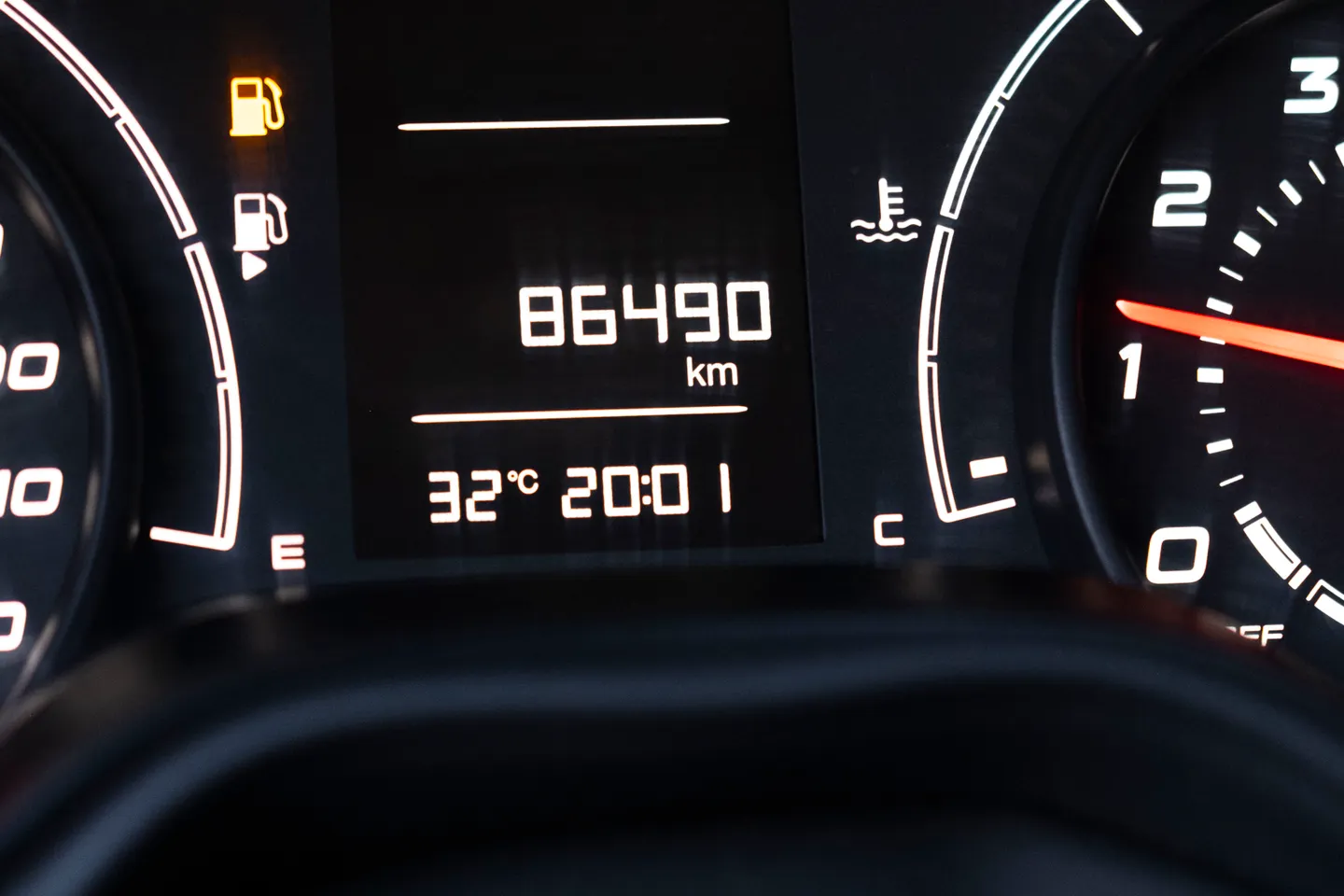
HMRC's simplified expenses guidance for vehicles explains the flat rate option for eligible business mileage. If you use actual vehicle costs instead, the record set differs. Do not switch methods casually after a vehicle has been treated one way.
A usable trip record
- Date of the journey
- Start point and destination area
- Client, supplier or business purpose
- Business miles travelled
- Parking and tolls kept as separate costs
- Cancelled visits or detours that explain the route
The AAT guide to Making Tax Digital puts record keeping at the centre of preparation. For a mobile operator, linking the trip to the appointment diary gives the mileage record the context that a number alone cannot provide.
Use bank feeds and digital links carefully
A bank feed can reduce typing, but it does not decide the trade, category or business purpose for you. HMRC says additional details may be needed, and some transactions may not appear in full and must be created separately. Accuracy remains the taxpayer's responsibility.
If you use more than one product, HMRC requires the record keeping and submission software to be digitally linked. Its compatible software selection service lets users filter products by income source and capability. Examples of acceptable transfer methods include linked spreadsheet cells, CSV imports and exports, automated transfers and APIs.
The ATT technical questions on MTD and the ICAEW MTD Income Tax technical guide are useful professional references when spreadsheets, agents or several systems are involved. Confirm the actual handoff with your accountant and software provider before the first update.
Correct gaps in the source record
A missed receipt or wrongly categorised payment is not fixed by adding a private note elsewhere. HMRC says errors should be corrected as soon as possible by changing, deleting or creating a digital record in the software where it is kept. The change then flows into the next quarterly update.
A simple correction trail
Find the source event
Open the booking, invoice, receipt, payment or trip that proves what actually happened.
Correct the digital entry
Change, delete or add the record in the record keeping software, preserving any audit trail the product provides.
Retain the evidence
Keep the invoice, receipt, statement or credit note that supports the corrected amount and date.
Let the next update carry it
If a quarterly update has already been sent, the correction normally appears in the next update. Follow the specific fourth update and year end rules where relevant.
The Accountex review of common MTD mistakes highlights the risk of leaving preparation too late. AccountingWEB's practical misunderstanding guide reinforces that software does not replace complete, accurate records.
Run a twenty minute weekly record close
Quarterly compliance becomes a smaller task when each week closes cleanly. The aim is not to do tax work every Friday. It is to stop jobs, money, receipts and journeys drifting apart.
The Friday record check
Match completed jobs to income
Check deposits, cash, transfers, card payments, unpaid invoices, refunds and fees against the appointments completed that week.
Match costs to evidence
Upload missing receipts and give every expense a date, amount, category and business reason.
Close mileage gaps
Compare the route and appointment diary, then add missing business trips, parking and tolls.
Review exceptions
Resolve duplicate bank lines, cash jobs, split payments, credit notes, personal spending and uncategorised entries.
Prepare the handover
Confirm the record keeping system can transfer the quarter to the chosen compatible software or accountant without retyping.
The FSB guide to the 2026 MTD deadlines gives small businesses a timetable view, while Money.co.uk's sole trader checklist turns preparation into a sequence of checks. Use the deadline as the final control point, not the first moment you look at the quarter.
Prepare for the next quarterly update
A quarterly update is a cumulative summary of income and expenses for the tax year to date. It is not a tax return, and HMRC does not receive the individual invoice and receipt details in the update. Those details still underpin the figures and remain part of your records.
HMRC's quarterly update guidance shows that both the standard period ending 5 October and the calendar period ending 30 September are due by 7 November 2026. You can send early, but all digital records up to the end of the period must be included first.
30 Sep
Calendar period end
Second cumulative calendar update period for 2026 to 2027
5 Oct
Standard period end
Second cumulative standard update period for 2026 to 2027
7 Nov
Update deadline
Deadline for both period options in 2026
The HMRC campaign explanation of quarterly updates stresses that the figures are summaries rather than detailed transaction submissions. HMRC says no quarterly update penalty points are charged for 2026 to 2027, but the updates are still required and normal tax return obligations continue.
Where Offlico fits and where it does not
Offlico is not presented here as MTD filing software and it does not replace an accountant. Its useful role is earlier in the chain: keeping the appointment, client, invoice, payment status, mileage and operational notes close enough that the digital bookkeeping record has context.
Use the separate guide for people HMRC has already signed up if your problem is authorisation, software setup or catching up from April. This guide is narrower: it shows what a good digital record trail looks like once the daily work starts.
For professional interpretation, CIOT's MTD resource collection and ICAEW's Making Tax Digital hub provide current technical commentary. Use those sources, HMRC or your accountant when a tax treatment is uncertain.
The final digital records check
Before the next update, every completed mobile job should be explainable from booking to payment, cost and journey. The digital entry needs its amount, date and category. The supporting document needs to be retained. The handoff needs to move through the chosen digital link rather than a last minute retype.
Start with one working week. Match the jobs to income, add the business reason to expenses, close mileage gaps and correct exceptions in the source record. Repeat that small close every week and 7 November becomes a review deadline instead of a reconstruction deadline.
What information must an MTD digital record contain?
For self employment income and expenses, HMRC says the digital record needs the amount, the date the income was received or expense incurred, and the relevant category. You must also keep the supporting records used to prepare the tax return.
Is a scanned receipt an MTD digital record?
A scan is useful supporting evidence, but the MTD digital record is the structured income or expense entry created and stored in compatible record keeping software. Keep both connected in your workflow.
Can a bank feed create all the records automatically?
A bank feed can help create entries, but HMRC says some transactions need extra detail and some may not appear in full. You remain responsible for checking that the records are accurate and complete.
Does Offlico send MTD quarterly updates to HMRC?
This guide does not claim that Offlico is compatible MTD submission software. Offlico can support the operational record trail around appointments, invoices, payments, mileage and notes. Use compatible software or an accountant for HMRC submissions.