Why invoice wording matters more than people think
If clients keep asking when payment is due, how to pay, or what an invoice covers, the problem is often not the client. It is the wording.
A lot of invoices are technically complete but still make the next step harder than it needs to be. Practical guidance for traders on what a well structured invoice should include keeps returning to the same point: a client should be able to see what was supplied, how much is owed, and when payment is due without hunting for it.
That matters because vague payment language creates room for delay. Legal guidance on the risks of unclear invoicing terms links poor clarity to non payment risk, and debt recovery specialists reviewing common invoice disputes see the same friction repeatedly: unclear charges, unclear expectations, and questions that sit unresolved until the invoice is already late.
Good payment terms are not there to sound formal. They are there to remove hesitation.
Choose the payment term before you write the invoice sentence
A lot of weak invoice wording starts with a more basic problem: the business has never chosen a default payment term deliberately.
That means each invoice gets whatever timing felt normal in the moment. One says due on receipt, another says 14 days, another says nothing clear at all. Once that happens, reminders get inconsistent too.
The UK baseline is fairly simple. Businesses can set their own payment terms. The Small Business Commissioner explains that if no agreement exists, payment can fall back to a 30 day rule after invoice acceptance, while practical small business guides still treat due on receipt, 7 days, and 30 days as some of the most common working options. Advice for the self employed also warns that longer terms can become risky for small businesses when cash leaves now but payment arrives much later.
- Due on receipt suits smaller jobs, same day invoicing, and clients who are expected to pay quickly.
- 7 days works well if you invoice after each appointment but still want a short polite window.
- 14 or 30 days can make sense when you work with businesses, recurring contracts, or accounts teams that need a little more time.
- 60 or 90 days should usually be a conscious commercial decision, not a lazy default inherited from bigger clients.
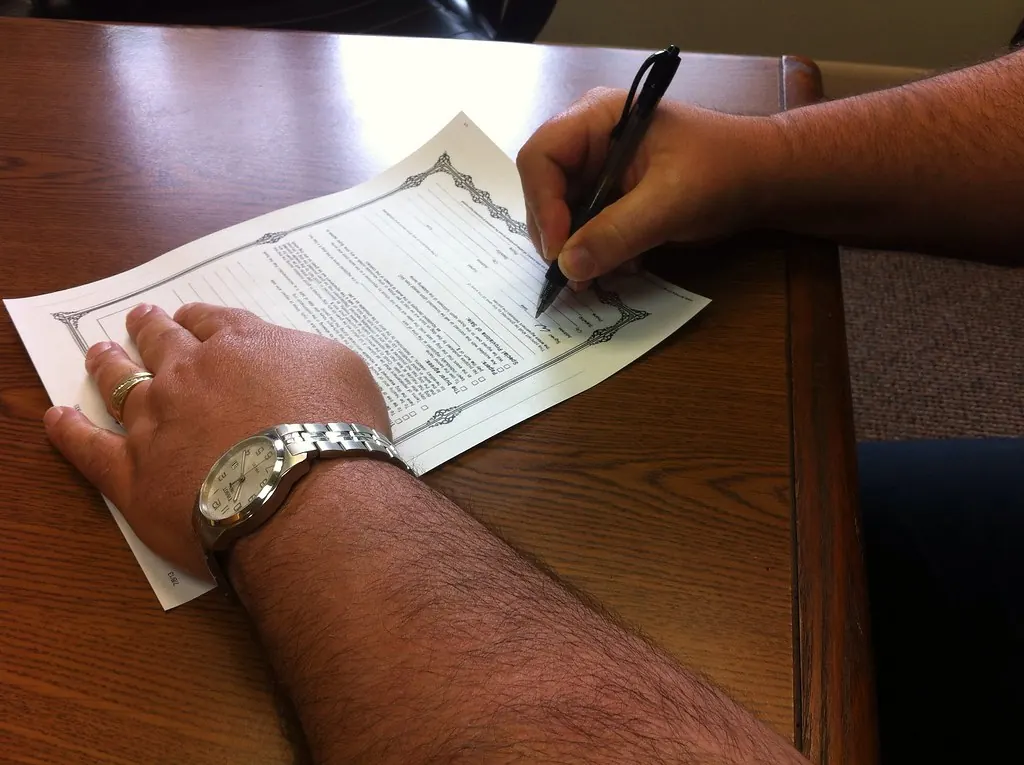
What every service invoice should make obvious
A strong invoice is not just accurate. It is scannable.
Practical explainers on what an invoice needs to tell the client and what traders should include on one both keep pointing back to the same thing: the invoice should tell the reader what happened, what is due, and how to settle it.
- your business name and contact details
- the client name
- the invoice number and invoice date
- the visit date or service date
- a clear description of the work completed
- the total amount due
- the payment due date
- the accepted payment methods
- any bank details, card route, or payment reference needed to complete payment
- any deposit or part payment wording if money was already taken earlier
The service line itself matters more than many businesses realise. "Service provided" is better than nothing, but it still invites uncertainty. A clearer line would say something like:
- Home visit appointment, 12 April 2026, nail treatment and aftercare advice
- Mobile cleaner visit, 11 April 2026, 2 bedroom end of tenancy clean
- Dog grooming home visit, 9 April 2026, wash, trim, and nail clip
Put the due date and payment route where people will actually see them
One of the clearest patterns in the research is that payment information should not be buried in a block of text at the bottom.
Guidance on clear invoice payment instructions recommends a dedicated, easy to scan section for the due date, payment method, and account details. That is the difference between an invoice that gets paid and an invoice that gets parked for later because the client needs another minute to work out what to do.
Total due: £95.00 Payment due: 21 April 2026 Pay by: bank transfer or card link Reference: INV 1842
That is much easier to act on than a sentence such as: "Please arrange settlement within our standard terms using the methods previously discussed." The second version sounds official, but the first version gets payment moving.

Write in plain language and give the client a sentence they can understand immediately
A lot of invoice wording tries too hard to sound official. That usually makes it slower to read and easier to ignore.
Example invoice payment terms
Short clause lines usually work better than long policy wording.
Immediate payment
Small jobs and same day invoicing
Payment is due on receipt of this invoice.
Short payment window
Businesses that invoice after each appointment
Payment is due within 7 days of the invoice date.
Split payment wording
Jobs where money was taken at booking
A deposit of £25.00 was paid at booking. The remaining balance of £72.00 is due within 7 days of the service date.
Payment instruction
Invoices that rely on a payment reference
Please pay by bank transfer using the account details below and quote invoice number INV 1842 as your payment reference.
These examples follow the same practical pattern used in guides that share common payment term examples and workable clause formats. They do not try to sound clever. They just make the expectation obvious.
The disputes vague wording tends to create
Unclear invoice wording does not only delay payment. It creates predictable types of query.
- I did not realise payment was due that quickly. Usually the due date was never prominent enough.
- I am not sure what this charge is for. Usually the service line was too vague.
- We need more information before we can process this. Usually the invoice is missing a service date, reference, or enough context for an accounts contact.
- I thought the deposit covered everything. Usually the balance wording did not separate money already paid from money still due.
- I did not know there were late fees. Usually the business only introduced that idea after the invoice was already overdue.
Collections and legal guidance on how invoice disputes often start and on why payment problems are easier to avoid when terms are explained before the work begins both point to the same habit: fix ambiguity early. Once a query sits unanswered, payment becomes harder to recover cleanly.
A simple invoice wording template mobile and home visit businesses can reuse
If you want a repeatable structure, start with this and adapt it to your service.
Payment summary block
- Total due: £[amount]
- Payment due: [date]
- Pay by: [bank transfer / card link / other method]
- Reference: [invoice number]
Service line block
- Service date: [date]
- Work completed: [clear plain language description of the visit or service]
Terms block
- Payment is due within [7 / 14 / 30] days of the invoice date.
- Please use invoice number [number] as your payment reference.
- If you have any questions about this invoice, please reply before the due date so we can resolve them quickly.
Where Offlico fits
The wording itself matters, but so does context. When the booking details, visit notes, invoice amount, reminder trail, and client record all live in different places, invoices are more likely to come out vague or late.
If those pieces stay connected, it becomes easier to reuse the right visit detail, send the invoice promptly, and follow up with the right context still attached.
Final takeaway
Good invoice payment terms do not need to sound clever. They need to answer the client's next question before they ask it.
Choose the payment term deliberately. Make the due date visible. Describe the service clearly. Put the payment route where it cannot be missed. Keep any late payment wording transparent. Then keep the invoice consistent with what was agreed before the work started.
Do that, and you usually get fewer questions, fewer avoidable delays, and a cleaner path from finished appointment to paid invoice.