Why the follow up still matters after the visit is over
The appointment is done, the tools are back in the van, and the next job is already waiting. That is exactly when follow up often becomes messy.
Some businesses send nothing. Some send a payment link and hope for the best. Some try to squeeze thank you, aftercare, invoice chasing, review requests, and rebooking into one awkward note that feels like a chore to write and a chore to read.
A better system is simpler. Appointment operations work better when preparation, reminders, and handoffs are doing some of the work instead of leaving everything to memory, which is one reason well structured scheduling and reminder flows reduce friction around the appointment itself. The same logic applies after the visit too.
Post appointment texts usually work best when they are split into a few clear jobs, such as follow up information, payment links, and review requests. Once you stop treating follow up as one catch all message, the whole process gets easier to keep consistent.
One message should do one job
This is the biggest fix for most follow up systems.
A weak message tries to do everything at once: thank you, invoice, review request, rebooking prompt, and care notes. That forces the client to switch context three or four times in one go.
- A visit summary or care message
- A payment message
- A review request
- A rebooking or next step prompt
That direction matches practical advice on follow up emails that support satisfaction, retention, feedback, and ongoing support and on follow ups that add value instead of sounding pushy. If you cannot explain the purpose of the message in one sentence, the client probably cannot scan it quickly either.
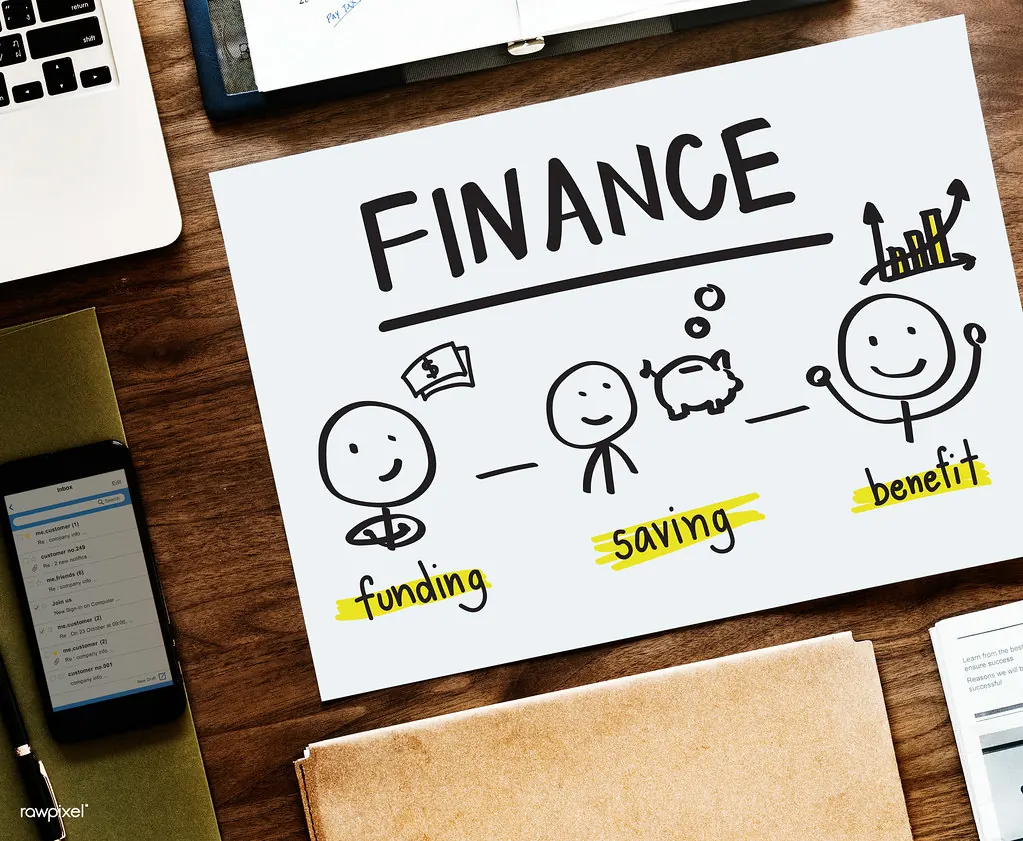
What to include in a useful post appointment summary
A good first follow up is often not the payment request. It is the message that tells the client what happened and what comes next.
- Thanks for having me today
- A one line summary of what was done
- Any care or monitoring notes
- Anything the client needs to send, do, or check next
- The easiest way to reply if something is unclear
Clear communication guidance consistently says the same thing in different ways: good messages should help people find, understand, and use the information they need. That is the core of accessible customer communication built around written, spoken, and digital clarity. It is also why setting expectations clearly about what happens next and how the customer will be contacted reduces friction so effectively.
Choose the channel by information load
Not every follow up belongs in the same channel. If the message is short, immediate, and action led, text usually works well. If the message needs context, attachments, or several points, email often works better.
| Channel | Best for | Why it works |
|---|---|---|
| SMS | Quick confirmation, short check ins, simple links, or light aftercare | Good when the message is short and the client only needs one next action. |
| Visit summaries, attachments, fuller instructions, or multi step next actions | Better when the client needs context or a record they can come back to later. |
Advice on how customer follow up emails should carry a clear subject, body, closing, and next action is a useful reminder that email earns its place when the client genuinely needs more context. For shorter messages, keeping texts short, simple, and easy to act on usually matters more than sounding polished.
Keep the wording plain, short, and easy to scan
A lot of follow up messages sound more formal than they need to, as if professionalism means turning a simple note into stiff admin language. It usually backfires.
Research on why even expert readers still prefer plain language over dense jargon is useful here, especially because most clients will skim a message on their phone rather than study it carefully. Guidance on using structure and visual hierarchy to help readers find and use information explains why short paragraphs, line breaks, and obvious next actions matter as much as tone.
What clear follow up usually looks like
- Open with the reason for the message
- Keep sentences short
- Avoid jargon or internal shorthand
- Use line breaks when there are multiple points
- End with one clear action
Timing matters more than cramming everything into one send
Once the structure is clear, timing gets easier. A practical sequence often looks like this.
A simple post appointment sequence
Immediate or same day summary
Use this for what was done, aftercare, and the next step while the visit is still fresh.
Same day or due date payment message
If payment is not already taken, keep the request polite, specific, and easy to complete.
Later review request
Ask while the service is still recent, but not so fast that it feels opportunistic.
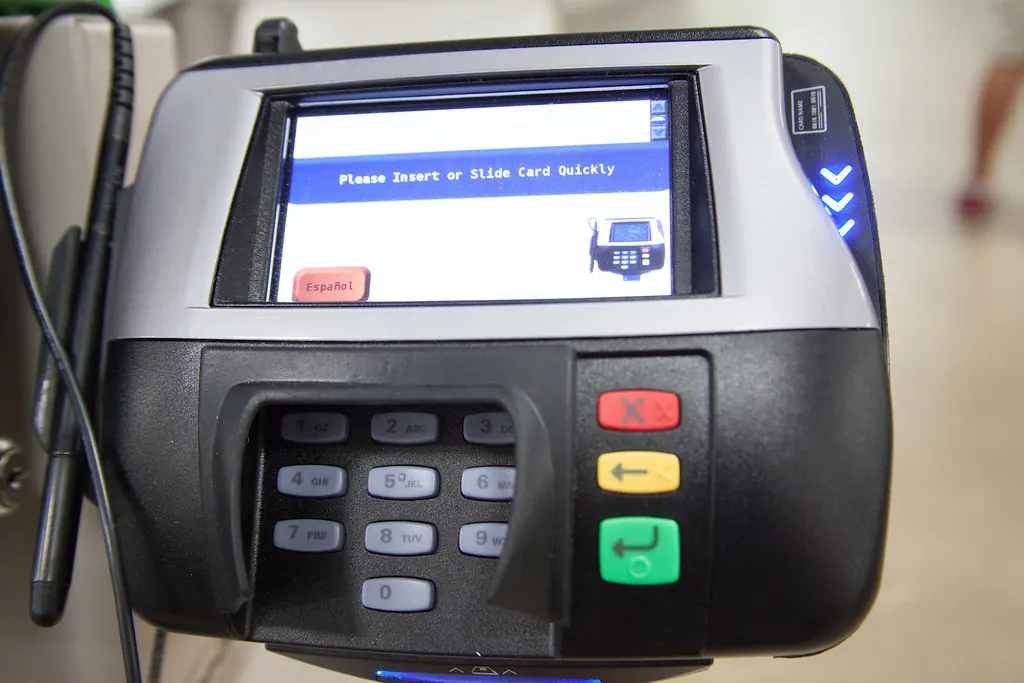
Payment reminders work best when they are concrete. Guidance on what to include in a clear payment reminder, such as amount, reference, due date, and payment method helps keep the message useful instead of vague. Review requests also work better when they are timely and easy, which is why advice on asking for reviews in a way that feels well timed and unobtrusive and requesting feedback while the experience is still recent points back to the same principle.
Only automate the repeatable parts
Automation helps when it removes repetition. It hurts when it removes judgement.
- The thank you opening
- The payment link structure
- The review request framework
- The sign off and reply route
The custom detail should still be added where it matters: what was done, what to watch, what happens next, and whether the client needs a short text or a fuller email. That fits practical advice on message templates that save time without losing clarity and on follow up messages that keep the purpose and action obvious.
Measure whether your follow up routine is actually helping
A lot of businesses assume their follow up is fine because nobody complains. That is not a very good metric.
A few useful outcomes to track
- Payment speed after the visit
- Review conversion
- Repeat booking rate
- Reply rate on next step messages
- How often clients still need clarification afterwards
The point is not to build a giant dashboard. It is to focus on the number that shows whether follow up is reducing friction in reality, which is exactly why small businesses are better off focusing on a few decision driving metrics.
A simple follow up system you can actually keep up
If you want a practical starting point, keep it lean.
A practical baseline
Send a same day summary
Keep it short. Say what was done, include aftercare or next steps, and make replies easy.
Send the payment prompt separately when needed
Keep the amount, reference, due timing, and payment path clear.
Ask for a review later, not instantly
Make it easy, direct, and politely timed.
Use templates for the framework, not for the whole relationship
Personalise the detail that makes the message feel real.
Review the numbers every few weeks
Check what is actually getting faster, easier, or more reliable.
Where Offlico fits
Follow up becomes harder when appointment details, notes, reminders, payment links, and client records all live in different places.
Final takeaway
A good follow up message is not a bonus extra. It is part of the service.
If it tells the client what happened, what to do next, and how to reply, it reduces friction straight away. If it separates summary, payment, review, and rebooking into clearer moments, it also reduces admin on the business side.
So the goal is not to send more follow ups. The goal is to make each one easier to understand, easier to act on, and easier for the business to repeat without creating another mess behind the scenes.