What this searcher actually needs
The practical search query this article answers is booking app for mobile beauty therapists UK. The person behind it is not only looking for a calendar. They need a booking flow that protects a mobile working day.
That matters commercially for Offlico because the problem sits inside smart routing and online booking. A mobile beauty booking has to carry address, service, preparation, deposit, reminder, payment, and client record details before the visit becomes workable.
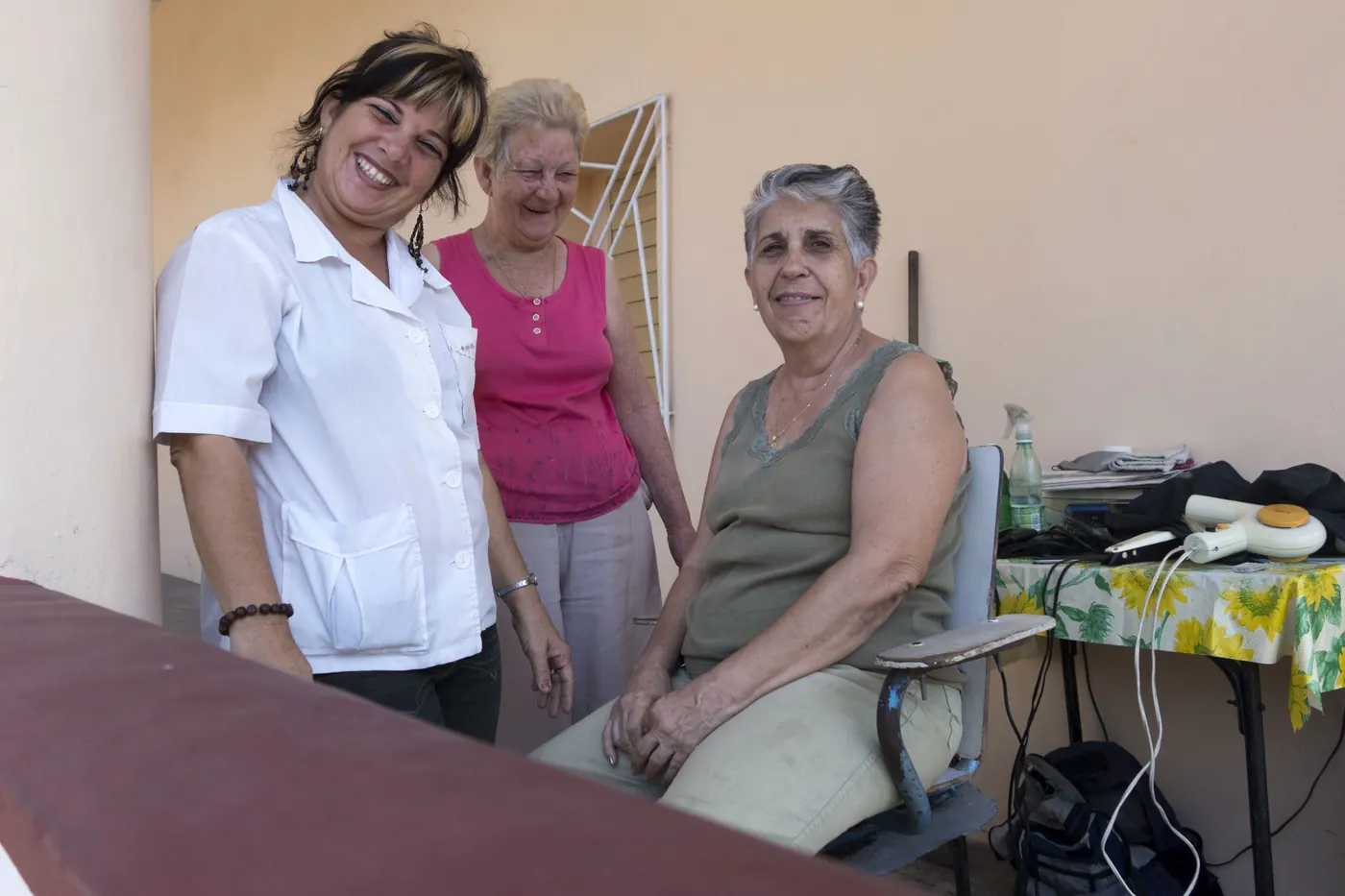
Search results for mobile beauty booking apps are full of marketplaces, salon software, app store pages, and operator policy pages. The useful signal is the gap between them. A salon app can show available times, but mobile work also has to account for travel, set up time, patch tests, consultation details, deposits, cancellations, and the client being ready when you arrive.
Beauty sector sources show why the booking record matters. Professional standards and insurer guidance both point toward clear treatment boundaries, preparation, client information, and record keeping. A booking app should therefore support the working visit, not just take the booking.
Protect the travel day first
A mobile beauty therapist cannot accept every empty slot in the same way a fixed salon can. The appointment has a location, travel time, kit movement, set up time, and sometimes a wider arrival window.
Look for a booking app that can collect the full address before the appointment is accepted. Operator terms pages regularly separate booking security from travel charges, and examples of mobile makeup terms show why travel expenses and booking terms need to be clear before the date is held. If the address is vague, the slot is not really confirmed.
| Booking detail | Why it matters for mobile beauty | What the app should do |
|---|---|---|
| Full address and postcode | Travel can decide whether the slot is profitable | Collect it before showing or confirming the final slot |
| Service and add ons | Makeup, brows, lashes, nails, and bridal work need different durations | Tie each service to duration, prep, price, and required notes |
| Access and parking | The visit can start late before the treatment begins | Ask for parking, stairs, buzzer, pet, and setup notes |
| Travel fee or area rule | Edge areas can damage margin | Show when manual confirmation or a travel fee applies |
This is also why generic appointment scheduling can feel fine in a demo and fail in a real week. A good mobile booking flow should let you block impossible postcodes, hold some visits for manual approval, or group areas by day when that protects the route.
Collect treatment details early
Mobile beauty bookings often fail because the app asks for name, phone, and time, then leaves the actual treatment risk in messages. That creates chasing before the visit and awkward surprises on the day.
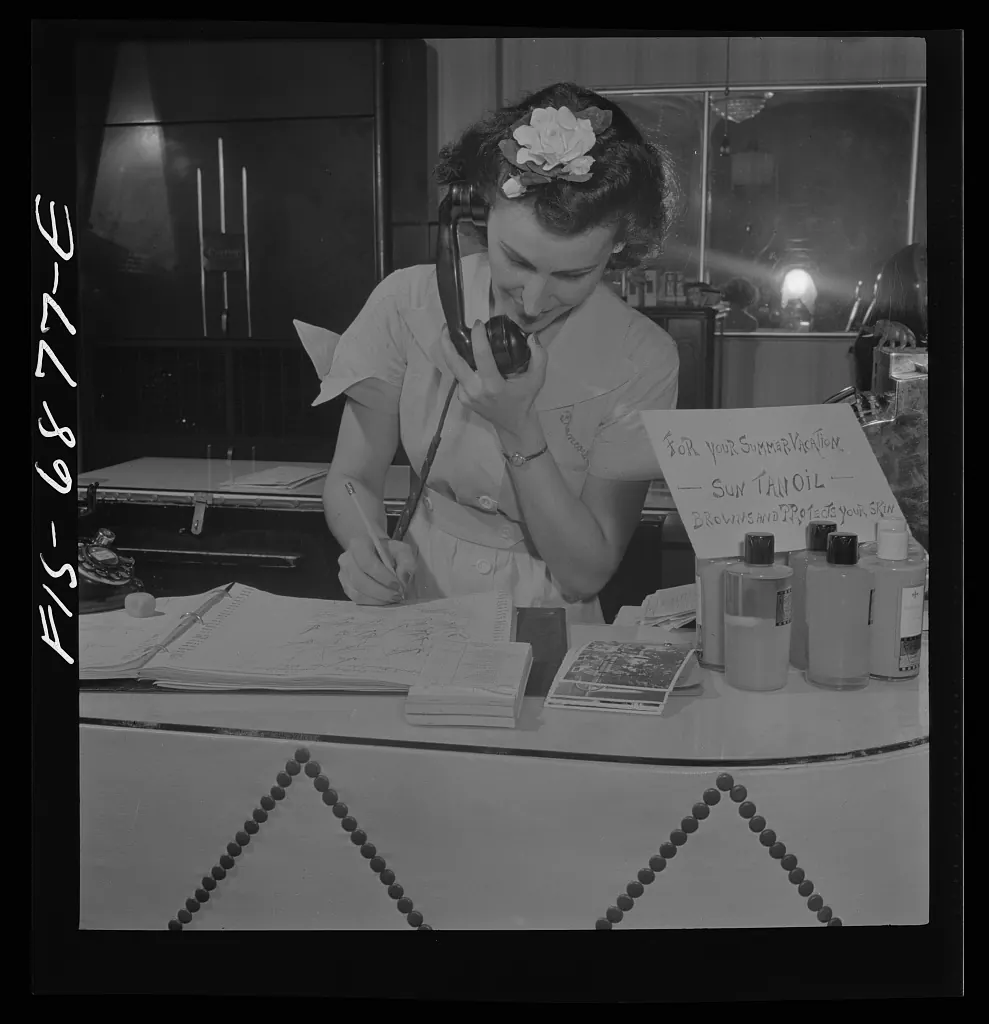
Patch testing is a clear example. Beauty guidance for salons and at home therapists explains why patch test rules need to be handled before treatment day, and real business pages often spell out when a consultation or patch test is required. Your booking app should make that visible in the flow, not leave it to memory.
Useful mobile beauty booking questions
- What treatment, add on, or package is being booked?
- Has the client had this treatment before?
- Is a patch test, consultation, or consent form needed?
- Are there allergies, sensitivities, contraindications, or preparation notes to check?
- What address, access, parking, and setup details should the therapist know?
- Is a deposit, balance, travel fee, or cancellation rule being accepted?
Form design matters here. A consultation template shows the sort of client information beauty businesses often need, while clear labels, instructions, and errors help people complete forms accurately. The aim is not to make the booking form long. It is to ask the few questions that stop avoidable follow up.
Handle deposits and cancellations cleanly
Mobile beauty work is vulnerable to late changes because the therapist protects travel time, may turn away another client, and may have already prepared kit or products. Deposits and cancellation rules are part of the booking workflow, not an afterthought.
Several mobile makeup and beauty policy pages make the same operational point: the date is not really held until the client accepts the terms and pays the required deposit. One makeup artist terms page says a booking is only reserved after a non refundable deposit is paid for each service, while a beauty clinic policy shows how businesses explain deposits, cancellations, and missed appointment charges.
The booking app does not need to turn into a legal document, but it should connect the rule to the action. If the client books online, they should see the deposit, cancellation window, travel fee, and balance timing before they confirm. For consumer facing wording, keep refund and cancellation language consistent with general UK business guidance on returns and refunds and get professional advice where your terms are business critical.
| Booking risk | What to show in the flow | What to store |
|---|---|---|
| Client cancels late | Cancellation window and fee rule | Accepted terms, timestamp, and appointment record |
| Client has not paid deposit | Deposit amount and payment link | Payment status beside the booking |
| Travel area changes | Travel fee or manual approval note | Address, postcode, and route context |
| Treatment cannot go ahead | Patch test or consultation requirement | Client notes and follow up task |
Send service reminders that fit the visit
A reminder for mobile beauty work should do more than repeat the appointment time. It should help the client be ready, reduce no shows, and make the journey less risky.

Reminder searches in this niche often sit beside no show, deposit, and cancellation searches. That makes sense. The reminder should confirm the address, treatment, arrival window, preparation instructions, parking or access note, deposit status, and reschedule route.
Keep service reminders distinct from promotional marketing. The UK privacy rules for direct marketing are a useful reminder that operational messages and marketing messages should not be blurred. A booking app should let you send practical service updates without turning every client message into a sales campaign.
Reminder checks before the appointment
- time and arrival window
- full address and access note
- preparation instructions for the booked treatment
- patch test or consultation status
- deposit or balance status
- simple reschedule path if the client cannot make it
Compare the app by workflow
The best booking app for a mobile beauty therapist is the one that turns an online request into a visit you can actually run. The comparison should start with the working day, not with the longest feature list.
Use practical sector sources in the background. Professional conduct, beauty insurance context, operator terms, patch test policies, and consultation examples all show what the appointment record has to support. For example, professional beauty conduct guidance and beauty treatment insurance context both point toward careful client handling, clear scope, and suitable records.
| Test | Good sign | Warning sign |
|---|---|---|
| Travel fit | The app can capture postcode, address, service area, and buffers | It accepts any free slot without checking location |
| Treatment fit | Services carry duration, prep, consultation, and patch test notes | Every treatment uses the same generic booking fields |
| Payment fit | Deposits, balances, and unpaid status stay beside the appointment | Payment chasing happens in a separate thread |
| Reminder fit | Reminders include practical visit details and reschedule routes | They only repeat the time and date |
| Record fit | The booking becomes useful client history | The appointment disappears after the calendar event ends |
Where Offlico fits
Offlico fits this problem when online booking is treated as the start of the mobile visit workflow. The booking page collects the right details, the appointment carries location and service context, reminders use the same record, and payment or invoice follow up is not left in a separate admin pile.
For a mobile beauty therapist, that means fewer bookings that look fine online but fail in practice. The right app should make every confirmed appointment easier to travel to, prepare for, remind, complete, and record.
What should a booking app for mobile beauty therapists include?
It should collect address, postcode, service type, treatment preparation, patch test or consultation status, deposit status, cancellation acceptance, and reminder details before the appointment is confirmed.
Is a normal salon booking app enough for mobile beauty work?
Sometimes, but only if it handles mobile constraints such as travel, service area, access notes, wider arrival windows, deposits, and client records. A simple calendar can create more follow up if those details stay outside the booking.
Should mobile beauty therapists take deposits online?
Many mobile beauty businesses use deposits to protect time and reduce late cancellations. The important part is making the deposit, balance, cancellation window, and accepted terms clear before the booking is confirmed.